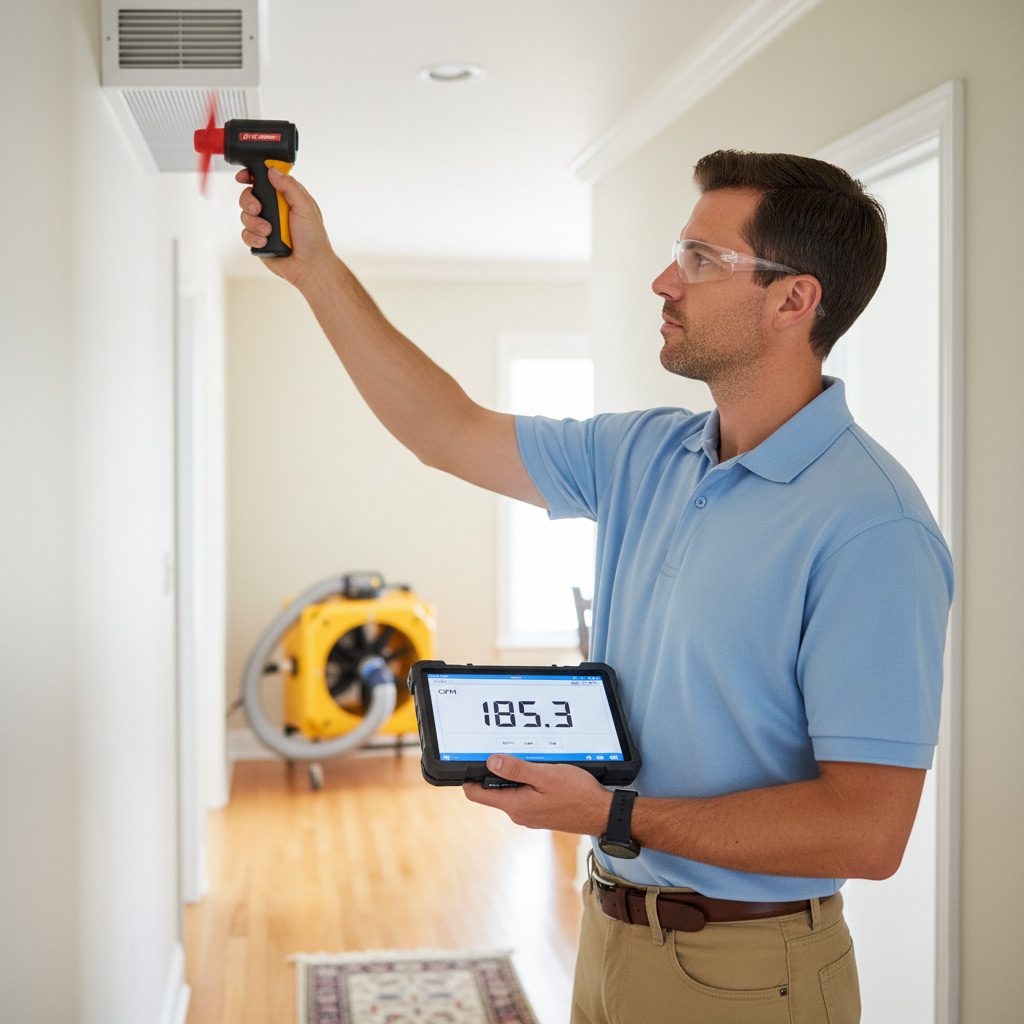
Picture this: the thermostat hits 70°, the furnace roars to life, and a sudden clank turns your cozy living room into an ice box. One tiny slip—like ignoring a strange noise or DIY‑tightening a pipe—can snowball into a costly repair that leaves you shivering.
In Salt Lake City’s bite‑cold winters, homeowners often fall into the same traps: postponing regular maintenance, using the wrong filter, or trusting a “quick fix” that only masks the real problem. Those shortcuts feel harmless until the furnace quits mid‑night and the repair bill spikes.
When you skip the basics, you’re not just risking a chilly night—you’re setting yourself up for expensive parts, longer downtime, and a technician’s frustration. The good news? A few smart habits can keep your system humming and your wallet intact.
Ready to learn the exact mistakes you should dodge and the simple steps that keep heat flowing smoothly? Keep reading and you’ll discover how to protect your home and avoid the surprise bill that no one wants.
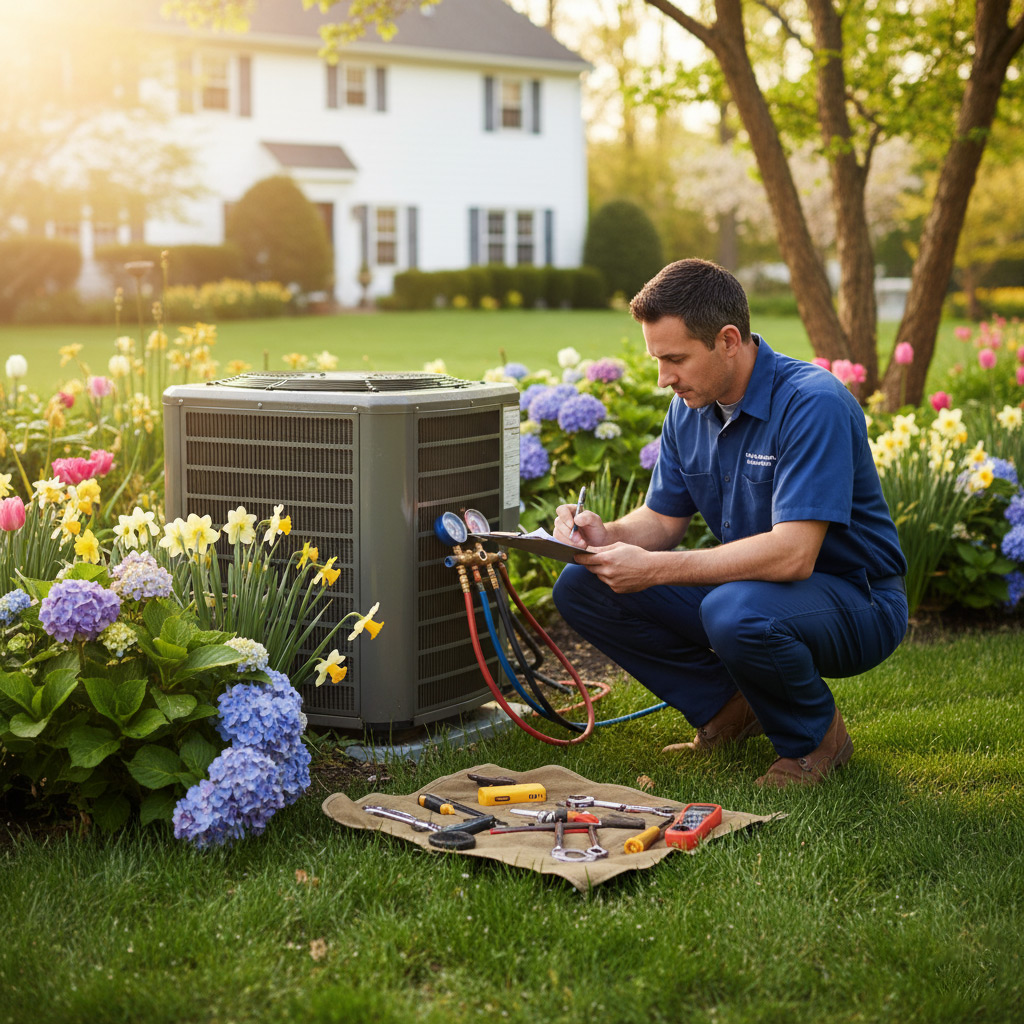
DIY Repairs That Do More Harm Than Good
Most Salt Lake City homeowners think a wrench and a YouTube video can fix a furnace hiccup. The reality? A half‑hearted tweak often turns a minor squeak into a cracked heat exchanger, and that’s a bill you’ll regret.
Common DIY traps
- Over‑tightening bolts – the metal flexes, seals leak, and you lose heat fast.
- Using the wrong screwdriver – stripped screws mean you can’t get the panel back together properly.
- Skipping the power‑off step – a live circuit can fry the control board and put you in the dark.
Even a simple filter swap can backfire if you grab the wrong size. A filter that’s too tight forces the blower to work harder, raising energy costs and wearing out the motor sooner. When you’re tempted to “just fix it yourself,” remember: the short‑term savings are often eclipsed by a costly service call later.
Skipping Preventive Maintenance: Hidden Costs and Risks
In Salt Lake City’s sub‑zero season, a furnace that’s never been inspected is a ticking time bomb. One missed service can turn a routine filter change into a cracked heat exchanger, and that’s a bill that can easily top $2,000. The longer you wait, the more the system works harder, and the more wear it accumulates.
What you’re really paying for
- Higher energy bills – a dirty blower forces the furnace to run longer, spiking your utility costs.
- Premature part failure – belts, motors, and igniters wear out faster without lubrication and cleaning.
- Emergency service premiums – a breakdown at 2 a.m. means overtime rates and rushed parts.
Skipping the annual check isn’t just a money issue; it’s a safety issue. A neglected furnace can develop carbon monoxide leaks, which are silent killers. A quick visual inspection can catch a cracked heat exchanger before it becomes a health hazard.
Risk‑free routine
Schedule a 30‑minute tune‑up before the first snow. A certified tech will:
- Inspect the flame sensor and clean the burners.
- Test safety controls and calibrate the thermostat.
- Check for proper airflow and replace the filter if needed.
That small investment pays for itself in lower bills, longer equipment life, and peace of mind when the temperature drops below zero.
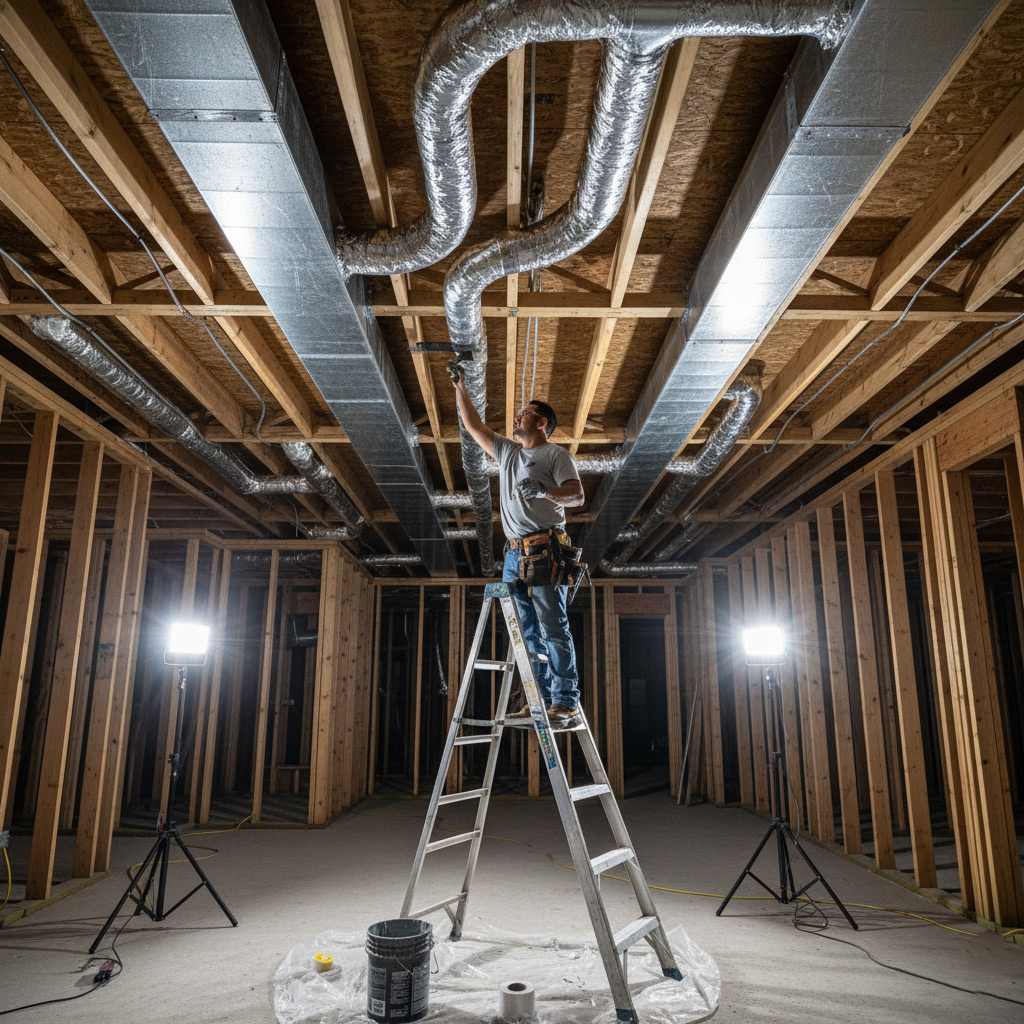
Selecting the Correct Filter and Proper Installation Techniques
Why the Right Filter Matters
Most homeowners think any filter will do. Wrong. A filter that’s too dense chokes airflow, forcing the furnace to work harder and raising your energy bill. A filter that’s too loose lets dust settle on coils, cutting efficiency and inviting premature wear.
In Salt Lake City’s dry climate, the sweet spot is a medium‑MERV (8‑11) filter for most families. If you have pets or allergy sufferers, bump up to MERV 13, but be sure your system can handle the extra resistance.
Installation: Do It Right the First Time
Even the best filter won’t help if it’s installed backwards. The arrows on the frame point the direction of airflow—follow them.
- Turn off the furnace before you reach in.
- Slide the filter in snugly; no gaps, no crumpled edges.
- Replace it on schedule—usually every 30‑90 days, depending on use.
Skipping these steps can cause the blower motor to overheat, leading to costly repairs you could have avoided.
Recognizing Early Warning Signs Before a Full‑Blown Breakdown
Strange Noises Are Your Furnace’s Cry for Help
When you hear a rattling, squealing, or thumping sound, it’s not just the house settling – it’s the furnace begging for attention. Ignore it and you’ll invite a cracked heat exchanger or a busted motor. A quick listen can save you a weekend without heat.
Temperature Fluctuations Signal Hidden Trouble
If the thermostat jumps from 70° to 55° and back again, the system is struggling to maintain balance. That’s a red flag for a dirty blower wheel or a failing limit switch. Catch it early and you avoid a costly emergency call.
Airflow Issues Reveal Blocked Paths
Weak airflow or rooms that stay cold while others are toasty? Your furnace is fighting a blockage. Check these clues:
- Dusty vents or grilles – clean them now.
- Frequent cycling – the furnace is overworking.
- Unusual odors – could be a cracked heat exchanger.
Spotting these signs lets you act before the furnace quits on you in the middle of a Utah snowstorm.
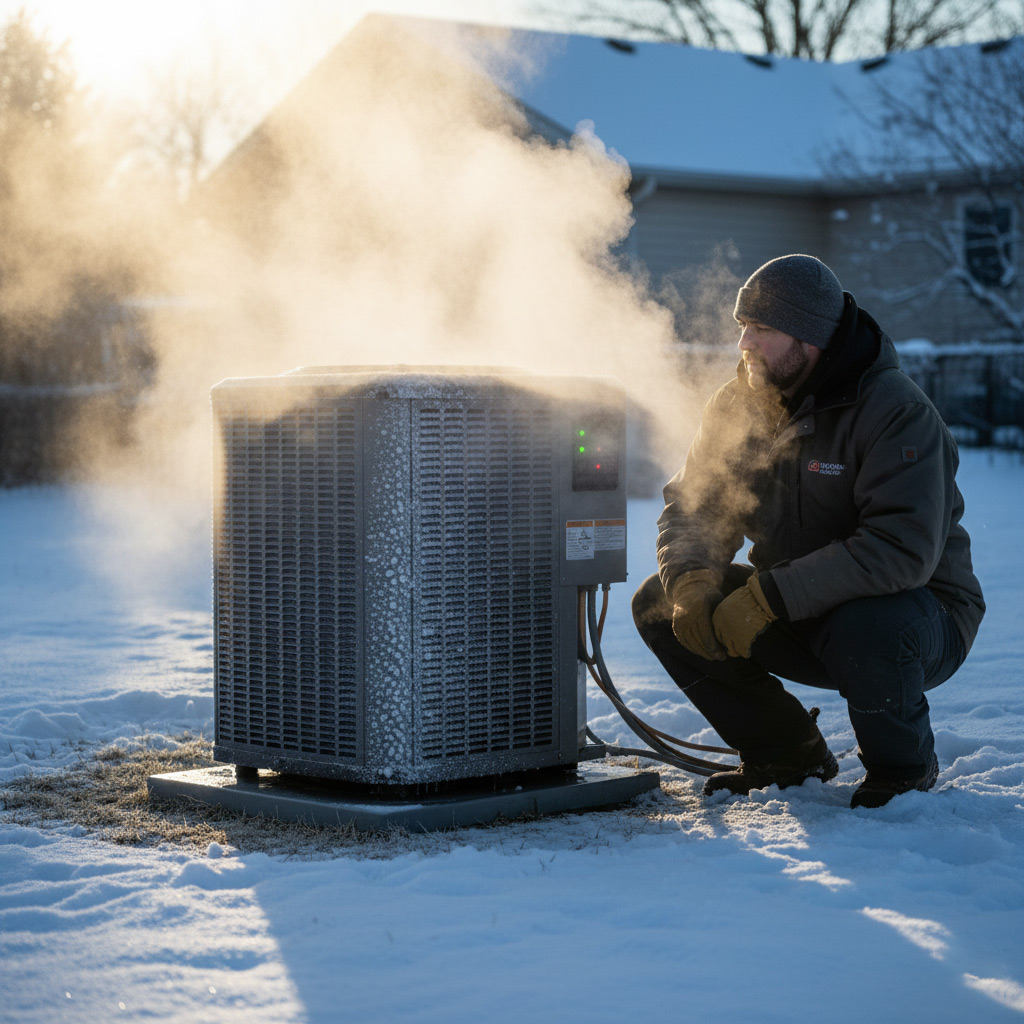
Knowing When to Call a Professional vs. a “Quick Fix”
Quick Fix Temptations
Sometimes a minor hiccup feels like a DIY win—like a loose thermostat wire or a clogged air vent. These are the low‑risk fixes that most homeowners can handle without a toolbox full of regrets.
- Loose thermostat batteries – swap them in under a minute.
- Dusty vents – a quick vacuum clears the flow.
- Tripped circuit breaker – reset and watch the furnace fire up.
Red Flags That Demand a Pro
When the problem starts to whisper louder, it’s time to hang up the wrench. Ignoring these signs can turn a $200 repair into a $2,500 furnace replacement.
- Persistent strange noises (squealing, grinding, or banging).
- Flickering pilot light or failure to ignite.
- Repeated short‑cycling – the furnace turns on and off too quickly.
- Visible gas smell – never try to “air it out” yourself.
Bottom line: if you’re unsure, call a certified HVAC tech before the issue snowballs. A professional diagnosis saves time, money, and the cold. Don’t gamble with heat.
Case Study: How Our Team Prevented a $2,500 Furnace Failure in a Salt Lake City Home
The Call
When the Johnsons noticed a faint rattling every time their furnace kicked on, they called us just before the first snow. They were terrified of a costly breakdown and wanted a quick fix.
What We Did
Our tech arrived, ran a visual inspection, and found a cracked heat‑exchanger seal that would have exploded under pressure. Instead of swapping the whole unit, we:
- Cleaned the blower motor and tightened loose bolts.
- Replaced the failing seal with a factory‑approved part.
- Installed a high‑efficiency filter and set the system to run a 15‑minute purge cycle each night.
All of this took under two hours, and we left a detailed maintenance checklist for the homeowners.
The Payoff
Two weeks later the furnace ran smooth, the rattling was gone, and the Johnsons avoided a $2,500 emergency repair bill. They saved money, stayed warm, and earned peace of mind—the exact outcome we aim for every winter.
Final Words
When the furnace finally clicks back on, you’ll feel the difference between a job done right and a band‑aid fix. Don’t let a cheap shortcut turn your home into a freezer. Trust the process, and you’ll keep the heat where it belongs—inside.
Quick Checklist Before You Call
- Is the filter the right size and rating? Wrong filter = clogged airflow.
- Did you hear any new rattles or whines in the last week?
- Has the system been serviced in the past 12 months?
If any of those answers raise a red flag, it’s time to pick up the phone. Our team knows Salt Lake City’s climate inside out, and we’ve got the tools to stop a minor glitch from becoming a $2,500 nightmare.
Need more tips or want to schedule a preventive tune‑up? Check out our Heating System Repair page for the full suite of services we offer. Stay warm, stay smart, and keep the furnace humming all winter long.
People Also Ask
What are the most common DIY heating repairs that can cause more damage?
Most homeowners attempt to clean or replace furnace burners, adjust gas valves, or reconnect wiring without proper training. These actions can lead to fuel leaks, electrical shorts, or reduced efficiency, ultimately costing more in professional repairs.Why is skipping annual furnace maintenance risky in Salt Lake City?
Skipping maintenance allows dust, debris, and wear to build up, reducing heat output and increasing energy bills. In the harsh Utah climate, undetected issues can cause sudden breakdowns during peak heating demand.How do I choose the right air filter for my furnace?
Select a filter with the correct size (usually listed on the furnace frame) and a MERV rating appropriate for your home’s air quality needs. Improperly sized or low‑efficiency filters restrict airflow and strain the system.What early signs indicate my heating system needs professional attention?
Look for uneven heating, strange noises, frequent cycling, or a noticeable drop in thermostat temperature. These symptoms often precede larger component failures if left unchecked.When should I call a professional instead of trying a quick fix?
If you notice gas odors, persistent error codes, or the furnace won’t ignite, stop any DIY attempts and contact a licensed HVAC technician. Quick fixes on these issues can be dangerous and may void warranties.
Salt Lake City HVAC brings over 15 years of residential and commercial climate‑control expertise to the Greater Salt Lake area. Their team of certified technicians delivers reliable heating, cooling, and indoor‑air‑quality solutions tailored to the region’s unique climate. Committed to responsive service and local knowledge, they keep homes and businesses comfortable year‑round.
Need HVAC?
We deliver rapid, results‑driven solutions for homes and businesses in Salt Lake City and surrounding areas. Service is completed on schedule, covering ZIPs 84101, 84102, 84103, 84104, 84105.
Request a fast quote