Imagine waking up to a cold shower because your boiler decided to quit on you in the middle of a Utah winter. One frozen morning is all it takes to turn a cozy home into a nightmare, and the bill that follows can make you wish you’d caught the problem sooner.
In Salt Lake City, where temperatures swing from snow‑packed nights to sunny afternoons, a boiler that’s not running right can cost you comfort and cash fast. Spotting the warning signs early isn’t just smart—it’s the difference between a quick fix and a full‑blown replacement.
Listen for rattles that sound like a loose drum, watch for puddles forming under the unit, and keep an eye on pressure gauges that drift away from the green zone. Those little clues are the boiler’s way of shouting for help before the damage spreads.
If any of this sounds familiar, you’re already on the right track. Keep reading and we’ll walk you through the exact steps to catch a failing boiler before it leaves you out in the cold.
Common Early Warning Signs of Boiler Trouble in Salt Lake City Homes
When your boiler starts acting up, it rarely does so silently. Odd noises, fluctuating pressure, and unexpected puddles are the first red flags that something’s off. Ignoring them can turn a simple repair into a costly replacement.
What Homeowners Should Watch For
- Rattling or banging – sounds like a loose drum or metal hitting metal.
- Pressure gauge drifting outside the green zone – either too high or too low.
- Water stains or puddles around the boiler base – a sign of a leak.
- Foul odors, especially a rotten‑egg smell – indicates a possible gas leak.
- Inconsistent heat output – rooms getting cold while the thermostat reads warm.
Spotting these clues early saves you from a midnight freeze. A quick visual check and a few minutes of listening can tell you whether you need a DIY fix or a professional call.
How Seasonal Temperature Shifts Affect Boiler Performance
Salt Lake City’s weather doesn’t play nice. One night you’re digging out the snow, the next you’re basking in a sunny thaw. Those swings force your boiler to constantly adjust, and every adjustment costs wear and tear.
Cold Spikes: What Happens Inside the Boiler
When the mercury drops, the water inside the system contracts. The boiler’s thermostat works overtime, firing up the burner to keep the house at the set temperature.
- Heat‑up lag – the unit may take longer to reach the desired warmth.
- Increased pressure – the expansion tank gets stressed, and leaks can appear.
- Fuel consumption spikes – you’ll see a jump in your utility bill.
Warm Days: The Hidden Stressors
Even when it’s mild, the boiler isn’t idle. It cycles on and off to maintain a steady indoor climate, which can cause short‑circuiting of safety valves.
During a warm spell, condensation can form on metal parts, leading to rust if the system isn’t drained properly. Keep an eye on the sight glass; any discoloration is a warning sign.
Essential DIY Checks: Inspecting Pressure, Leaks, and Noise
Before you call a tech, grab a flashlight and a notepad. A quick walk‑around can save you a call‑out fee and a night in the cold.
Check the Pressure Gauge
Locate the small dial on the front of the boiler. It should sit between 1 and 1.5 bar when the system is cold.
- Below 1 bar? The system is losing pressure.
- Above 1.5 bar? You probably have a trapped air pocket.
- Adjust with the filling loop – turn clockwise to add water, counter‑clockwise to release.
Spotting Leaks
Leaks are the silent killers. Even a drip can drop your efficiency by half.
- Inspect pipe joints, valves, and the boiler’s base for moisture.
- Run a dry cloth along the connections; any wet spot means a leak.
- Condensation on the outside of the unit could signal a cracked heat exchanger.
Listen for Unusual Noises
Turn the boiler on and give it a minute. Your ears are a cheap diagnostic tool.
- Kettling – a high‑pitched whine – signals scale buildup.
- Rattling or banging often means loose mounting brackets.
- Clicking can be a failing ignition electrode.
If anything feels off, write it down and call a pro. The sooner you act, the less likely you’ll freeze out.
When to Call a Professional: Red Flags That Require Expert Intervention
If your boiler is making a high‑pitched whine that won’t quit, or if the water temperature drops below 120°F, it’s time to pick up the phone. These aren’t just annoyances—they’re symptoms of deeper issues that DIY fixes can’t solve.
Critical warning signs you shouldn’t ignore
- Carbon monoxide alarm sounds – the ultimate “stop‑the‑press” alert.
- Boiler repeatedly shuts off after a few minutes of operation.
- Pressure gauge spikes above 2.5 bar or falls below 0.5 bar and won’t stay steady.
- Visible rust, corrosion, or water pooling around the unit.
- Unusual odors – especially a metallic or “burnt” smell.
When any of these pop up, the cost of a professional visit is pennies compared to a full replacement or a dangerous gas leak. A licensed HVAC tech has the tools to test combustion, check the heat exchanger, and safely reset the system.
Why a pro is worth the call
They can spot a cracked heat exchanger before it blows up your home’s air quality. They’ll also verify that your boiler’s efficiency rating is still on point, saving you money on every heating season.
Preventative Maintenance Tips to Extend Boiler Lifespan
Annual Professional Tune‑Up
Book a certified technician once a year, preferably before the first freeze. They’ll clean the heat exchanger, test safety valves, and calibrate the controls so the system runs smooth.
Think of it as a health check for your boiler. Skipping it is like ignoring a dentist appointment—small issues become big bills.
Water Quality & System Flushing
Hard water leaves mineral crusts that choke efficiency. Every 12‑18 months, have the system flushed to remove scale.
- Use a corrosion‑inhibiting additive if you have very hard water.
- Check the expansion tank for proper air charge; a low charge can cause pressure spikes.
- Inspect the pressure relief valve – it should lift freely without leaks.
DIY Checks You Can Do Monthly
Turn off the power, then open the pressure gauge. Ideal range is 1–1.5 bar when cold; anything outside signals a problem.
Listen for rattles or hissing sounds. Those noises often mean air in the lines or a loose component.
Bleed radiators that feel cool on the top. A quick bleed releases trapped air, improves heat distribution, and eases the boiler’s workload.
Case Study: Rapid Boiler Repair Saved a Family from a Winter Freeze in SLC
The Situation
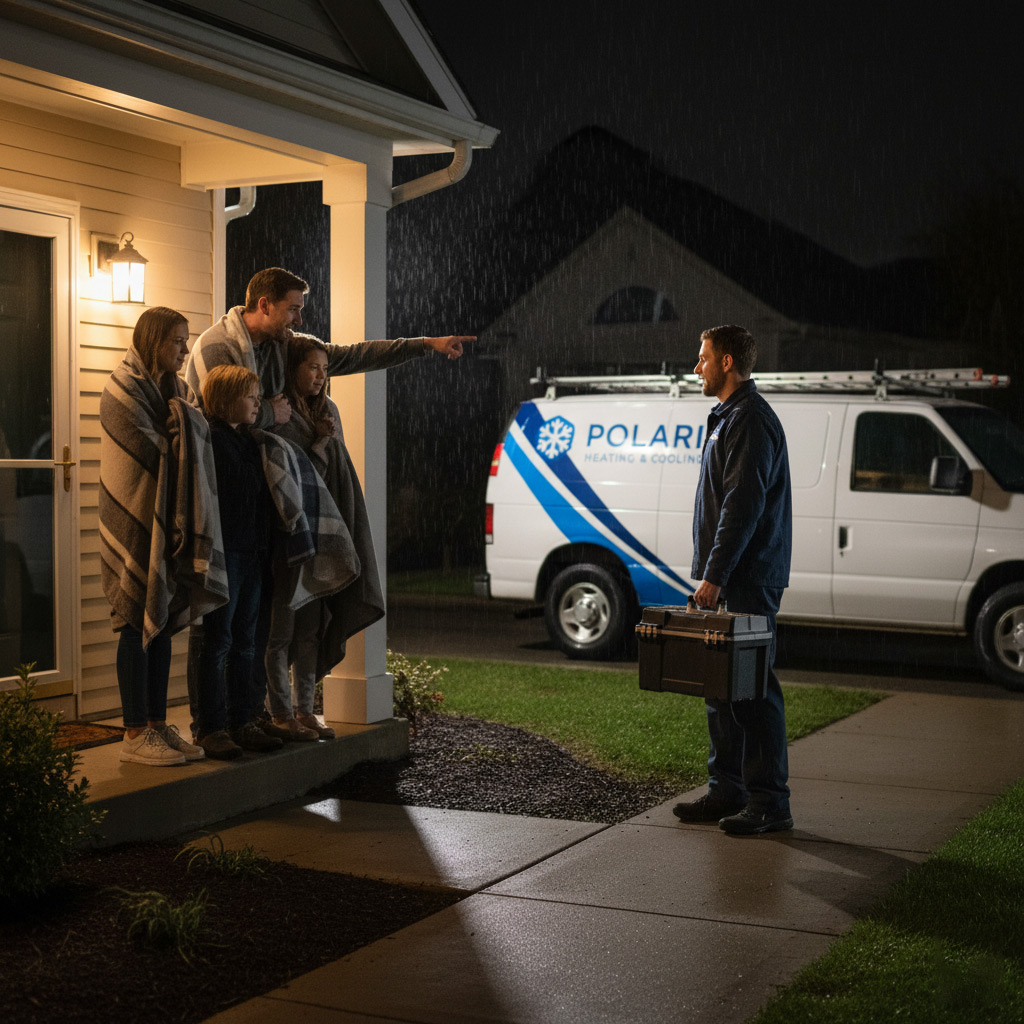
It was a bitter January night in Salt Lake City when the Johnsons noticed their living room temperature dropping to 45°F. Steam hissed from the boiler, and the pressure gauge lingered at 0.8 bar—well below the green zone.
They called us at Peak Heat HVAC after a quick visual check revealed a faint water puddle under the unit. The family feared a full‑scale outage that could leave kids shivering.
What We Did
Our tech arrived within 45 minutes, armed with a diagnostic kit and a clear game plan.
- Inspected the pressure relief valve—found it stuck open.
- Re‑sealed a minor pipe leak using a high‑temp epoxy.
- Re‑pressurized the system to 1.2 bar and ran a short burn cycle.
Within an hour the boiler was humming steady, and the thermostat read 70°F. The Johnsons breathed a sigh of relief.
Why Speed Matters
In Salt Lake City, a frozen pipe can burst in under 30 minutes once the water inside hits 32°F. Every minute counts when the heat is out.
Our rapid response prevented a costly pipe replacement and saved the family from an emergency heating bill. The lesson? A quick call to a trusted boiler specialist can turn a night‑time nightmare into a minor hiccup.
Final Words: Keeping Your Boiler Reliable All Year Round
Season‑long Checklist
Stick to a simple calendar: check the pressure gauge, look for moisture, and listen for odd noises at least once a month. Consistency beats panic—the sooner you spot a drift, the cheaper the fix.
- Pressure in the green zone? Good.
- Any puddles or rust? Investigate.
- Strange rattles or whines? Note the time and call.
Partner with a Pro
Even the savviest DIYer hits a wall. When you see a red‑light symptom—like loss of heat after a short run—dial a certified technician. Our Boiler Repair team knows Salt Lake City’s climate quirks and can get you back to comfort before the next freeze.
Small Tweaks, Big Payoff
Keep the thermostat set a few degrees lower at night and let the boiler rest. Clean the venting area annually; a clear path means the unit works harder on heat, not on fighting debris. These tiny habits add up to a longer‑lasting, more efficient boiler.
People Also Ask
What are the first signs that my boiler is failing in Salt Lake City?
A sudden drop in water pressure, unusual noises like banging or whistling, and inconsistent heating are common early indicators. Check the pressure gauge regularly; readings below 1.0 bar often signal a problem.How do temperature changes in Utah affect my boiler’s performance?
Seasonal swings cause the boiler to work harder, which can expose leaks or worn components. During cold snaps, you may notice longer heat‑up times or frequent cycling on and off.Can I safely inspect my boiler for leaks and pressure issues myself?
Yes, you can visually check for water stains, corrosion, or puddles around the boiler and read the pressure gauge. If the pressure is outside the 1–1.5 bar range, top it up according to the manufacturer’s instructions.When should I stop DIY troubleshooting and call a professional?
If you hear persistent grinding noises, detect carbon monoxide odors, or see the boiler shut down repeatedly, it’s time to call an HVAC specialist. These red flags often indicate serious internal failures that require expert repair.What routine maintenance can prevent costly boiler breakdowns?
Schedule annual professional inspections, flush the system to remove sediment, and replace the pressure‑relief valve as needed. Regular cleaning of burners and checking the venting system also extend the boiler’s lifespan.
Salt Lake City HVAC brings over 15 years of residential and commercial climate‑control expertise to the Wasatch Valley. Their team of certified technicians delivers reliable heating, cooling, and indoor‑air‑quality solutions tailored to Salt Lake City homes and businesses. Committed to local service, they prioritize energy efficiency and responsive support for the community.
Need HVAC?
We deliver rapid, results‑driven solutions for homes and businesses in Salt Lake City and surrounding areas. Service is completed on schedule, covering ZIPs 84101, 84102, 84103, 84104, 84105.
Request a fast quote