Picture this: the furnace kicks on on a bitter January night, and the whole house stays warm while the wind howls outside. That cozy feeling is priceless—until a clogged filter or a loose belt turns your comfort into a cold shock.
In Salt Lake City, the climate swings from scorching summer heat to bone‑chilling winter, and your HVAC system is the only thing standing between you and a thermostat nightmare. A simple, step‑by‑step maintenance routine can keep your equipment humming and your energy bills from spiraling.
We’ve boiled down the must‑do tasks into a clear, no‑nonsense checklist that even the busiest homeowner can follow. From filter swaps to coil inspections, each item is designed to catch problems before they become costly repairs.
Ready to lock in year‑round comfort and save a bundle? Keep reading and discover the exact actions you need to take, day after day, to keep your system in peak shape.
Seasonal Prep: Spring & Summer HVAC Tune‑Up
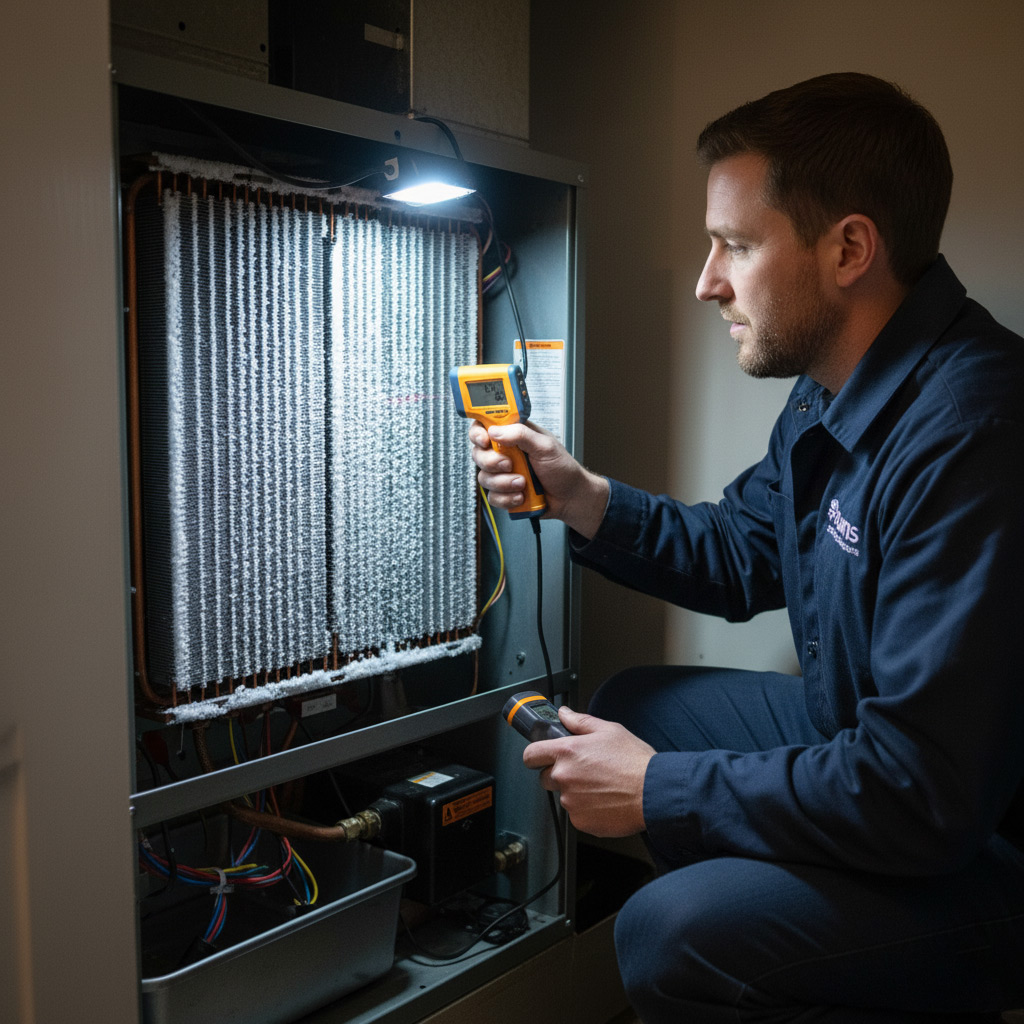
Spring rolls in, and the heat of the Utah desert starts to creep up the canyon walls. That’s the perfect moment to give your air‑conditioner a quick once‑over before the thermostat climbs past 80°F. A clean coil, proper refrigerant charge, and a well‑lubricated fan motor keep the system from whining and your electric bill from exploding.
What to tackle before the sun turns up
- Inspect and clean the evaporator coil – dust and pollen act like a blanket, forcing the unit to work harder.
- Check the condensate drain for clogs; a backed‑up line can cause water damage and mold.
- Verify the refrigerant level; low charge means the compressor will overheat.
- Test the thermostat calibration; a mis‑set sensor can shave off precious comfort.
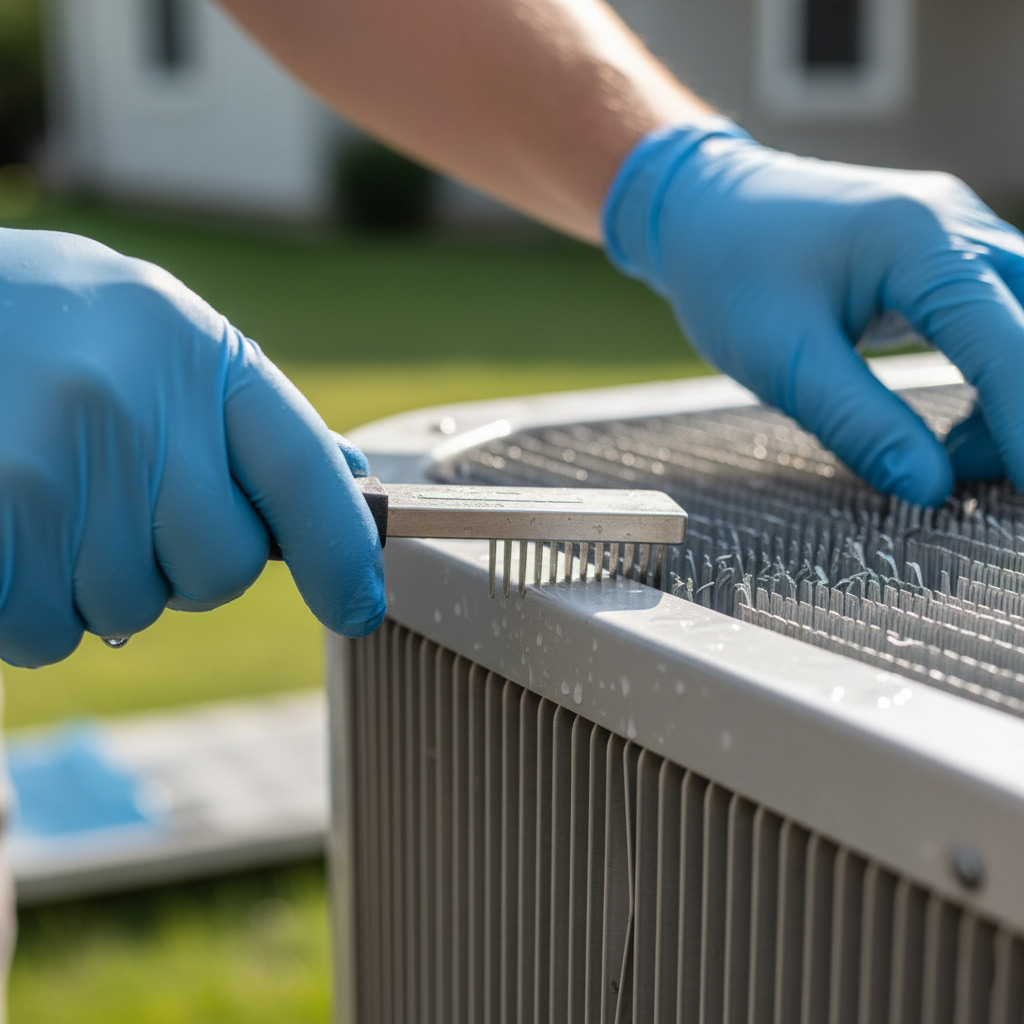
When summer hits, the AC becomes the house’s lifeline. Swap the filter every 30‑45 days, and give the outdoor condenser a spray‑down with a garden hose—no pressure washer, just a gentle rinse. Finally, run the fan on “auto” instead of “on” to let the system cycle naturally and avoid premature wear.
Fall & Winter Readiness: Preparing for the Cold Months
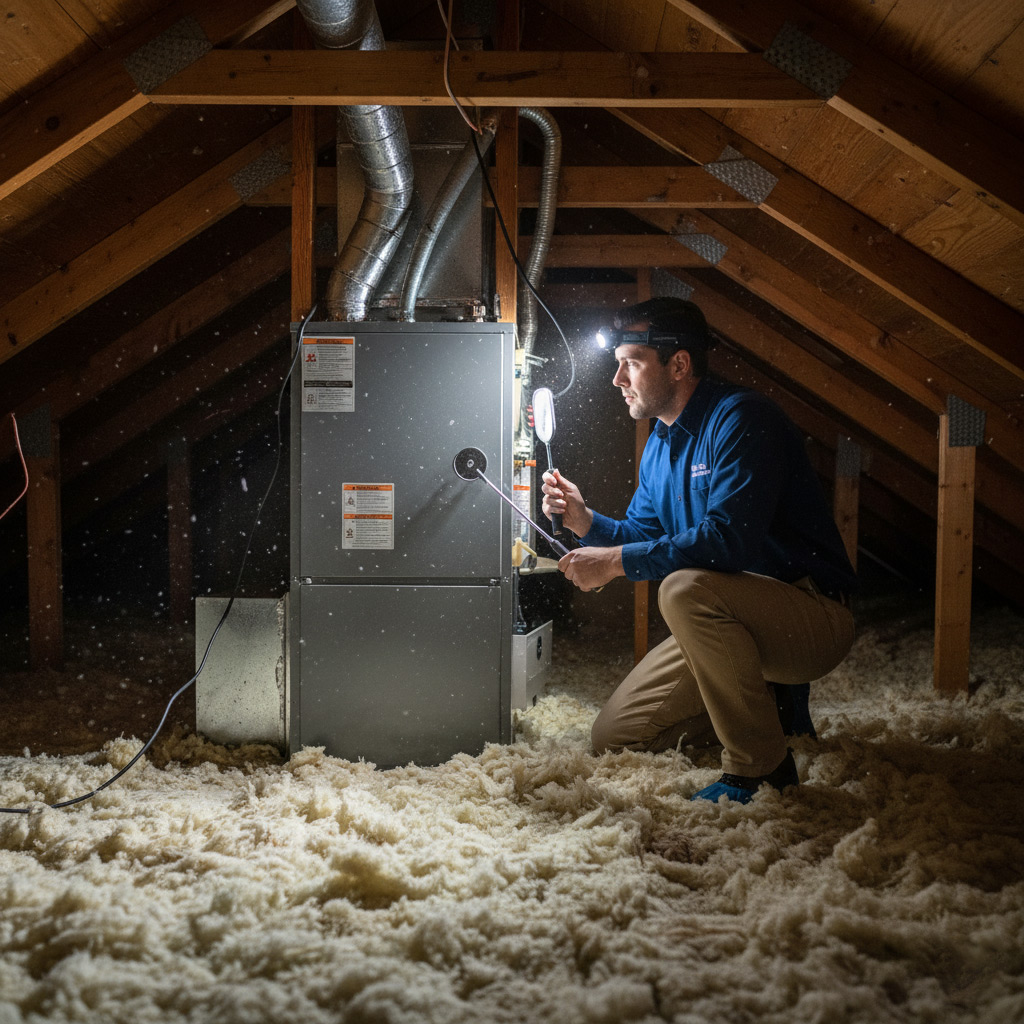
When the first frost hits the Wasatch, your furnace becomes the hero of the house. Give it a quick visual once‑over: look for rust on the heat exchanger, listen for rattles, and make sure the blower motor spins freely. A clean, well‑lubricated furnace will stay reliable when the temperature drops below zero.
Seal the Deal on Ducts and Vents
Leaky ducts are the silent money‑stealers of winter. Walk every room, close doors, and feel for drafts around registers. If you sense a breeze, grab some foil tape and seal the gap.
- Inspect register covers for dust buildup; a quick vacuum keeps airflow strong.
- Check attic insulation – aim for at least 12 inches of R‑value in Salt Lake City.
- Wrap exposed pipe runs with foam sleeves to stop heat loss.
Thermostat & Controls Check
Modern thermostats can save you a bundle, but only if they’re calibrated right. Set the program to “away” when you’re not home, and verify the temperature swing stays within 2 °F of your set point.
- Replace old batteries; a weak cell can cause the system to run nonstop.
- Run a test cycle: heat for 15 minutes, then cool for 15. Watch for any lag.
- Sync smart thermostats with your phone for real‑time alerts.
Monthly & Quarterly DIY Checks (Filters, Thermostat, Vents)
Filter Swap – The Quick Win
Every 30 days, pull the filter out and give it a once‑over. Dirty filters choke airflow and make the furnace work harder.
- Turn off the unit.
- Slide the filter out.
- Replace with the correct size, MERV 8‑11.
- Reset the filter indicator if your system has one.
Thermostat Tuning – Keep the Brain Sharp
Check the thermostat battery and calibration each month. A mis‑set temperature can add $50‑$100 to your bill.
- Replace dead batteries.
- Run a “hold” test: set to 70°F, wait an hour, see if it holds.
- Clean the screen with a soft cloth.
- Program seasonal schedules.
Vent & Duct Quick Scan – No Surprises
Walk the house and make sure every vent is open and unobstructed. Close‑off vents in unused rooms can create pressure problems.
- Remove furniture or rugs blocking airflow.
- Vacuum dust from vent covers.
- Inspect for visible cracks; seal with foil tape.
- Mark any suspect spots for a professional duct check.
Every quarter, repeat the filter swap and add a deeper look at the coil and blower. Turn off power, remove the access panel, and give the coil a gentle brush. Spotting a thin film of grime early saves a costly replacement later.
Professional Inspection Checklist: What the Tech Will Do
When a certified HVAC tech steps onto your Salt Lake City home, they bring a toolbox of experience and a list that reads like a detective’s case file. They’re not just flipping switches; they’re hunting for the tiny issues that could snowball into a $2,000 repair.
What the Technician Checks
- Thermostat calibration – ensures the reading matches the actual room temperature.
- Electrical connections – tight, clean, and free of corrosion.
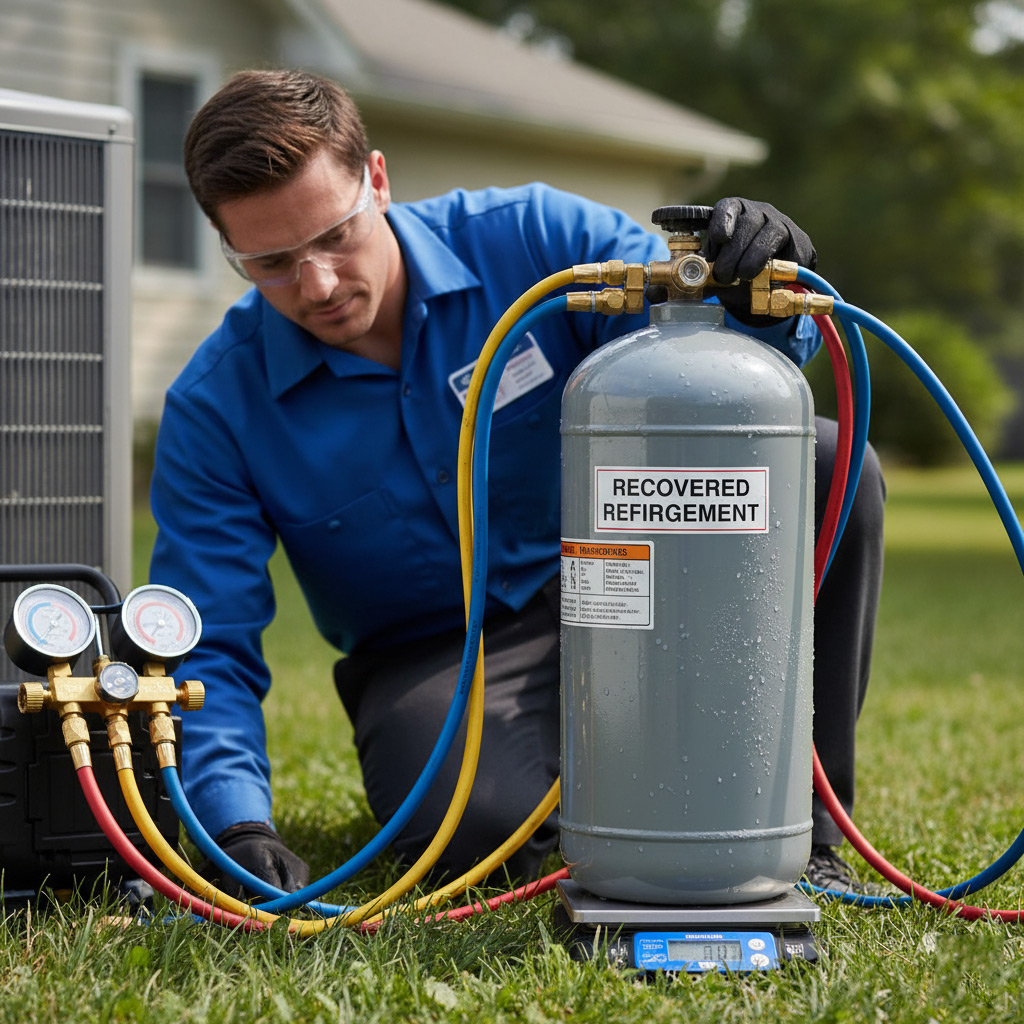
- Refrigerant charge – measured with precision gauges to avoid over‑ or under‑charging.
- Burner assembly (furnace) – inspected for cracks, proper ignition, and safe flame pattern.
- Air handler & blower motor – lubricated bearings, balanced fan, and clear airflow.
- Condensate drain – cleared of clogs to prevent water damage.
Each step takes less than a coffee break, but the payoff is huge. A clean coil, for example, can shave 10% off your energy bill.
Why It Matters
- Early detection of wear saves you from emergency service calls.
- Proper airflow reduces strain on compressors, extending their life.
- Verified safety controls keep carbon monoxide risks at zero.
After the tech finishes, you’ll get a written report with clear action items. That paper is your roadmap to a system that runs smooth all year long. No guesswork, just facts you can act on.
Energy Efficiency Boosters: Sealing, Insulation, and Smart Controls
Seal the Gaps
Air leaks are the silent money‑stealers in any Salt Lake City home. Find and seal them before the furnace or AC has to work overtime.
- Doors and windows – check the perimeter with a candle; if the flame flickers, you’ve got a leak.
- Attic hatch – a simple weather‑strip can stop a draft that costs you up to 15% more energy.
- Recessed lighting fixtures – use foil tape, not duct tape, for a lasting seal.
Insulate Like a Pro
Good insulation is the backbone of a comfortable house, especially when the Wasatch Mountains throw snow your way. Upgrade where it counts and you’ll feel the difference instantly.
- Roll out R‑19 batts in the walls of older homes; they’re cheap and effective.
- Wrap the hot water pipes in foam sleeves – a 10% drop in water heating bills is common.
- Seal the ductwork with mastic; leaky ducts can waste up to 30% of your heating output.
Smart Controls, Smart Savings
Technology isn’t just for gadgets; it’s a tool for trimming your utility costs. A programmable thermostat can cut usage without you lifting a finger.
- Set a 10‑degree setback at night – you’ll save $70‑$100 a year.
- Use zone controls for the basement or garage; they rarely need heating or cooling.
- Enable “eco‑mode” on your AC unit during mild days – the system runs just enough to stay comfortable.
Real‑World Success: Case Study of a Salt Lake City Homeowner Who Saved $1,200
The Situation
Mike, a busy software developer in the Sugar House neighborhood, noticed his energy bill creeping up each month. His furnace was over a decade old, and the filter had been swapped only when it looked dirty. He was also getting a faint rattling sound every time the heat kicked on.
What He Did
Mike followed the exact checklist we recommend and called a local HVAC pro for a quick inspection. The tech found three low‑hanging issues that anyone could fix:
- Dirty evaporator coil – a simple coil cleaning restored airflow.
- Loose blower belt – tightened it, and the rattling vanished.
- Leaky duct joints – sealed with foil tape, cutting heat loss by about 15%.
He also upgraded to a programmable thermostat and added a fresh filter every 30 days. Each step took less than an hour and cost under $150 total.
The Payoff
After the tweaks, Mike’s heating bill dropped from $250 to $150 for the winter season. That’s a $100 saving right away, and the same changes kept his summer AC bill low too. By the end of the year, the cumulative savings topped $1,200. He told us, “I finally feel like I’m getting my money’s worth from my system, and I’m not scared of the next cold snap.”
Final Words: Keeping Your HVAC System in Peak Shape Year‑Round
Think of your HVAC gear like a race car. Regular pit stops keep the engine roaring, the tires gripping, and the driver smiling. Skip a check‑up and you’ll feel the drag the moment the temperature swings.
Make it a habit, not a hassle
- Mark your calendar for the spring tune‑up and the fall readiness dates.
- Set a reminder on your phone for the monthly filter swap.
- Keep a simple log – date, task, and any notes – so you know what’s been done.
When you pair those tiny actions with a yearly professional inspection, you’re not just avoiding breakdowns; you’re squeezing every dollar out of your energy bill. A clean coil, a tight seal, and a calibrated thermostat can shave 10‑15% off your monthly cost.
One more thing
Don’t let the “just‑once‑a‑year” mindset fool you. The real magic happens when you stay on top of the little things. Need a refresher? Dive back into our full HVAC Maintenance guide for step‑by‑step instructions and printable checklists.
People Also Ask
How often should I change my HVAC filter in Salt Lake City?
Changing the filter every 1–3 months is ideal, especially during pollen‑heavy spring and dusty winter months common in Salt Lake City. A clean filter improves airflow and reduces energy costs.What are the key signs that my HVAC system needs professional service?
Look for reduced airflow, unusual noises, frequent cycling, or higher utility bills. If you notice any of these, schedule a technician visit to prevent costly breakdowns.Can I perform HVAC maintenance myself, or do I need a licensed technician?
Homeowners can handle basic tasks like filter swaps, thermostat checks, and clearing vents. However, refrigerant handling, electrical work, and comprehensive inspections require a licensed HVAC professional.How does sealing and insulation affect my HVAC efficiency in Utah’s climate?
Proper sealing and insulation keep conditioned air inside, reducing the workload on heating and cooling systems. This can lower energy usage by up to 20% and improve comfort during Utah’s extreme temperature swings.What smart controls are best for optimizing HVAC performance in Salt Lake City homes?
Smart thermostats with geofencing and adaptive scheduling adjust temperature based on occupancy and outdoor conditions. Pairing them with zone controls maximizes comfort while cutting energy waste.
Salt Lake City HVAC brings over 15 years of residential and commercial climate‑control expertise to the Greater Salt Lake area. Their certified technicians specialize in energy‑efficient heating, cooling, and indoor‑air‑quality solutions tailored to local climate demands. Committed to reliable service, they prioritize prompt response and transparent communication for every project.
Need HVAC?
We deliver rapid, results‑driven solutions for homes and businesses in Salt Lake City and surrounding areas. Service is completed on schedule, covering ZIPs 84101, 84102, 84103, 84104, 84105.
Request a fast quote