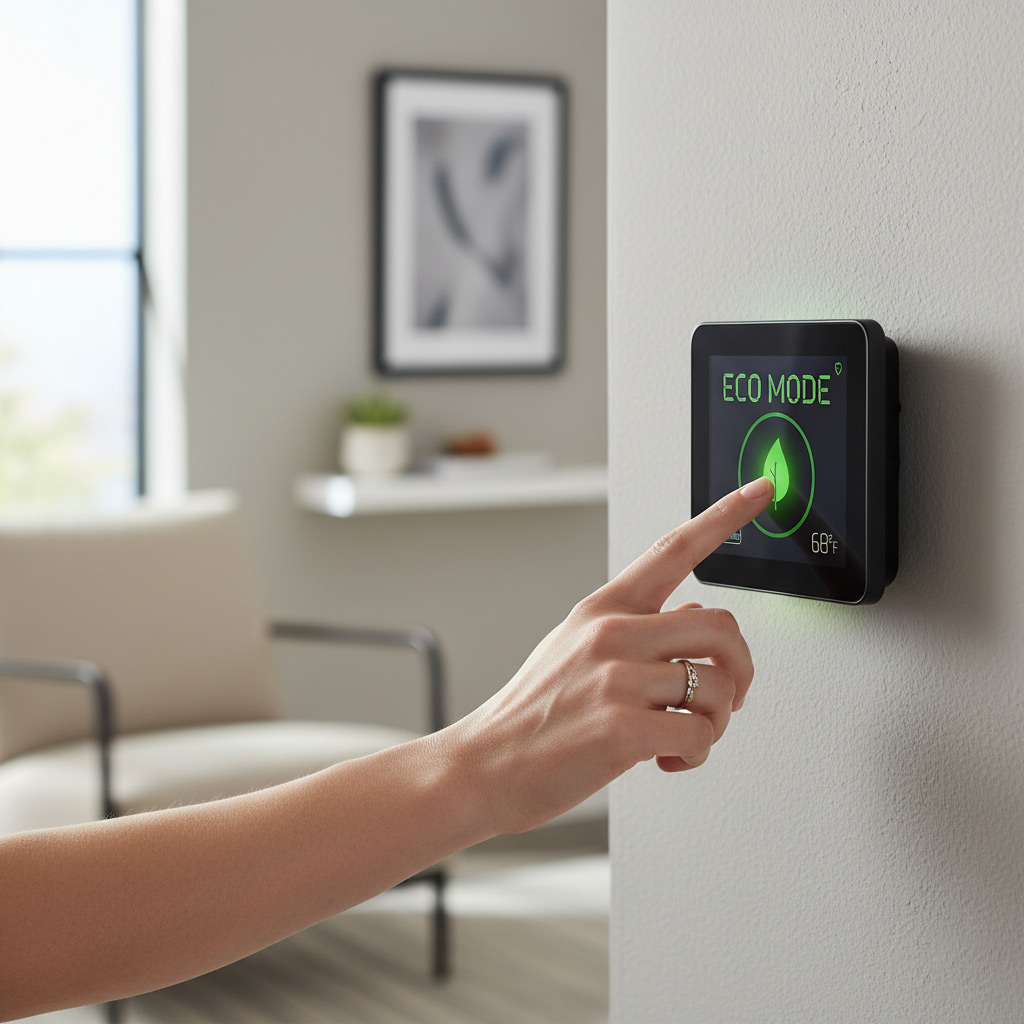
Imagine your warehouse humming at the perfect temperature while the Utah sun beats down outside. A well‑planned commercial AC system can turn that vision into reality, saving you cash and headaches.
From the high desert’s swingy winters to scorching summer peaks, the right unit has to survive extremes and keep your staff productive. That’s why you need a step‑by‑step roadmap, not guesswork.
In the next few minutes we’ll walk you through every critical decision—from load calculations to permits—so you can lock in a system that works as hard as you do.
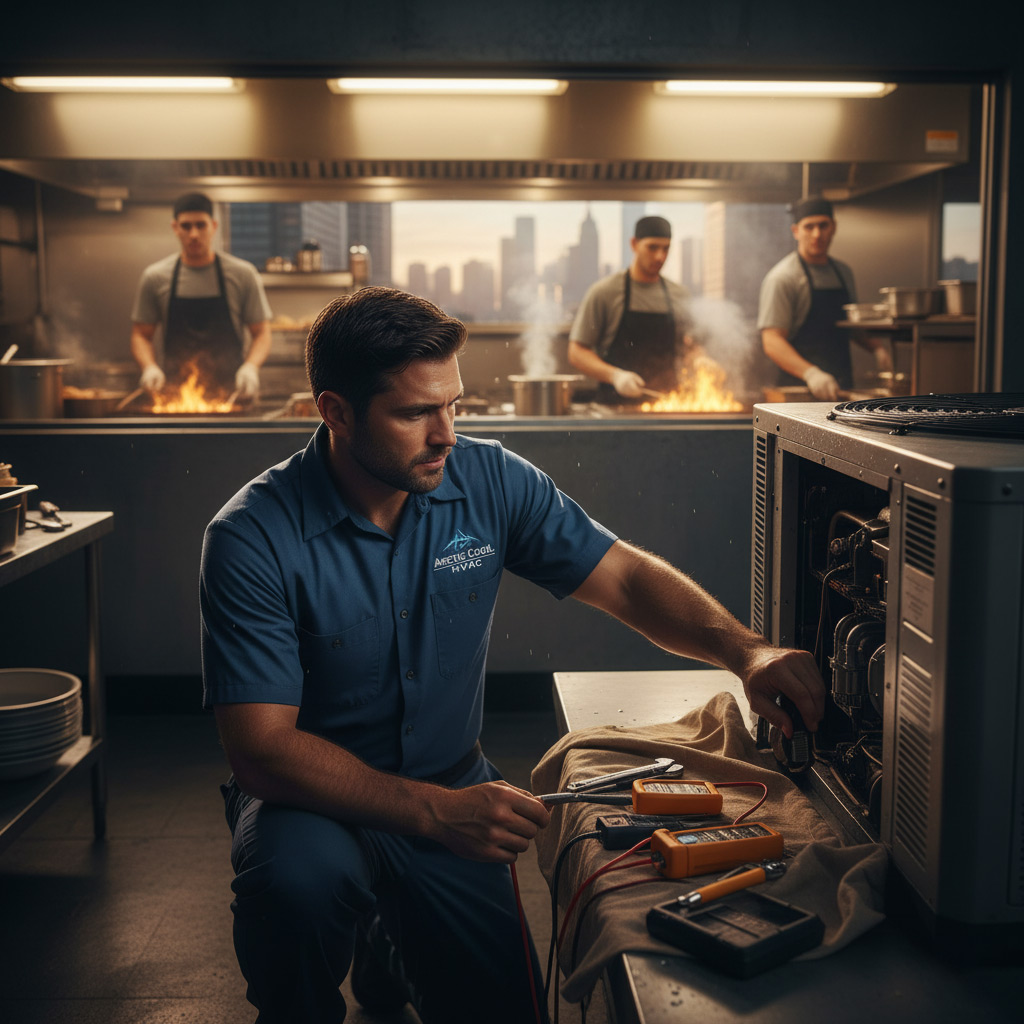
Assessing Your Facility’s Cooling Load and Energy Needs
Start with the numbers, not the hype
Before you even glance at a unit, you need to know how much heat your building actually throws at you. A proper load calculation looks at square footage, roof exposure, equipment that generates heat, and the number of people moving through the space. Getting these figures right saves you from buying a system that’s either a money‑sucking dinosaur or a weak‑link that quits on a hot day.
Key data points to capture
- Square footage – total conditioned area, including mezzanines.
- Ceiling height – higher ceilings mean more air volume to chill.
- Sun exposure – south‑facing walls and large windows add heat gain.
- Internal loads – ovens, forklifts, computers, and lighting.
- Occupancy patterns – peak staff numbers and shift schedules.
Turn data into a realistic system size
Plug those numbers into a reputable HVAC load software or have a certified technician run a Manual J/Manual N analysis. The result is a BTU rating that matches your building’s demand curve. When you pair that rating with your utility’s demand‑charge structure, you’ll see where you can shave off kilowatt‑hours without sacrificing comfort.
Choosing the Optimal Commercial AC System for Salt Lake City’s Climate
Salt Lake City’s weather swings like a pendulum—freezing mornings, blistering afternoons, and a dry desert breeze that can sneak in through any crack. That means your commercial AC has to be a workhorse that handles both heat spikes and chilly nights without breaking a sweat.
Match the System to the Climate
Start with the basics: a unit that can *stay cool* when the temperature hits 100°F and still run efficiently when the mercury drops below 30°F. The two most reliable options for this market are:
- Variable Refrigerant Flow (VRF) – perfect for spaces that need precise temperature control across multiple zones.
- Rooftop Packaged Units – rugged, easy to service, and built to survive the high desert’s dust and wind.
Both systems can be paired with smart thermostats that adjust output on the fly, saving you money while keeping the air comfortable.
Energy Rating and Payback
Don’t get fooled by a low price tag. Look for a SEER rating of 15 or higher and a U‑value that meets Utah’s energy code. Higher efficiency means lower utility bills and a faster return on investment.
Ask your installer for a quick life‑cycle cost analysis. It’s a simple spreadsheet that shows you how much you’ll save over 5, 10, and 15 years compared to a cheaper, less efficient model.
Understanding Permits, Building Codes, and Energy Efficiency Requirements
Before the first pipe is cut, you’ll need the right paperwork in hand. Skipping a permit can halt the project, cost you fines, and even force you to rip out installed equipment.
Permits You’ll Need
- Mechanical permit – required for any new HVAC system or major modification.
- Electrical permit – if the unit draws new circuits or upgrades service.
- Fire‑code review – especially for warehouses with high‑bay ceilings.
Each city department has its own checklist, so keep a copy of the application and a photo of the site plan. A clean, complete submission usually gets you a green light within a week.
Code Compliance in Salt Lake City
The city follows the International Mechanical Code (IMC) with local amendments. That means your system must meet specific ventilation rates, noise limits, and safety clearances.
- Minimum clearance from combustible materials – usually 6 inches.
- Noise level caps – 65 dB for indoor units in occupied spaces.
- Seismic bracing – required for equipment over 5,000 lb in high‑risk zones.
Ask your installer to provide a compliance report. It’s a simple way to avoid surprise re‑inspections later.
Energy Standards That Save Money
Utah’s energy code pushes for high‑efficiency units. Look for a SEER rating of 15 or higher; the higher the number, the lower your electric bill.
- Title 24‑aligned equipment – qualifies for utility rebates.
- Variable‑speed compressors – adjust output to match real‑time load.
- Smart thermostats – can be programmed to shut down during off‑hours.
When you pair a qualified system with proper commissioning, you’ll see a quick payback. That’s the kind of ROI every business owner loves.
Designing Ductwork, Zoning, and Air Distribution for Maximum Performance
Right‑Size Ducts, Right‑Size Comfort
Oversized or cramped ducts are the silent killers of efficiency. Get the dimensions spot‑on and you’ll see lower fan power, quieter operation, and even temperature across the floor.
Key design checkpoints:
- Calculate total airflow (CFM) for each zone.
- Apply the equal friction method to keep pressure drop consistent.
- Use smooth‑walled metal or insulated flex where space is tight.
Zoning: One System, Many Comfort Levels
Every warehouse aisle, office nook, and loading dock has its own heat load. Separate zones let you crank the chill where it’s needed and let the rest breathe.
Typical zoning tricks include:
- Motorized dampers controlled by thermostats.
- Variable‑speed fans that adapt to real‑time demand.
- Smart controllers that learn usage patterns.
Air Distribution: From Supply to Return
Even the best‑sized ductwork can flop if the air never reaches the workstations. Position diffusers strategically, aim for a gentle sweep, and balance the system before you seal the ceiling.
Don’t forget these quick wins:
- Install linear grilles along high‑traffic aisles for uniform flow.
- Use return grilles near the ceiling to pull warm air upward.
- Perform a final static pressure test; adjust registers until the numbers match the design specs.
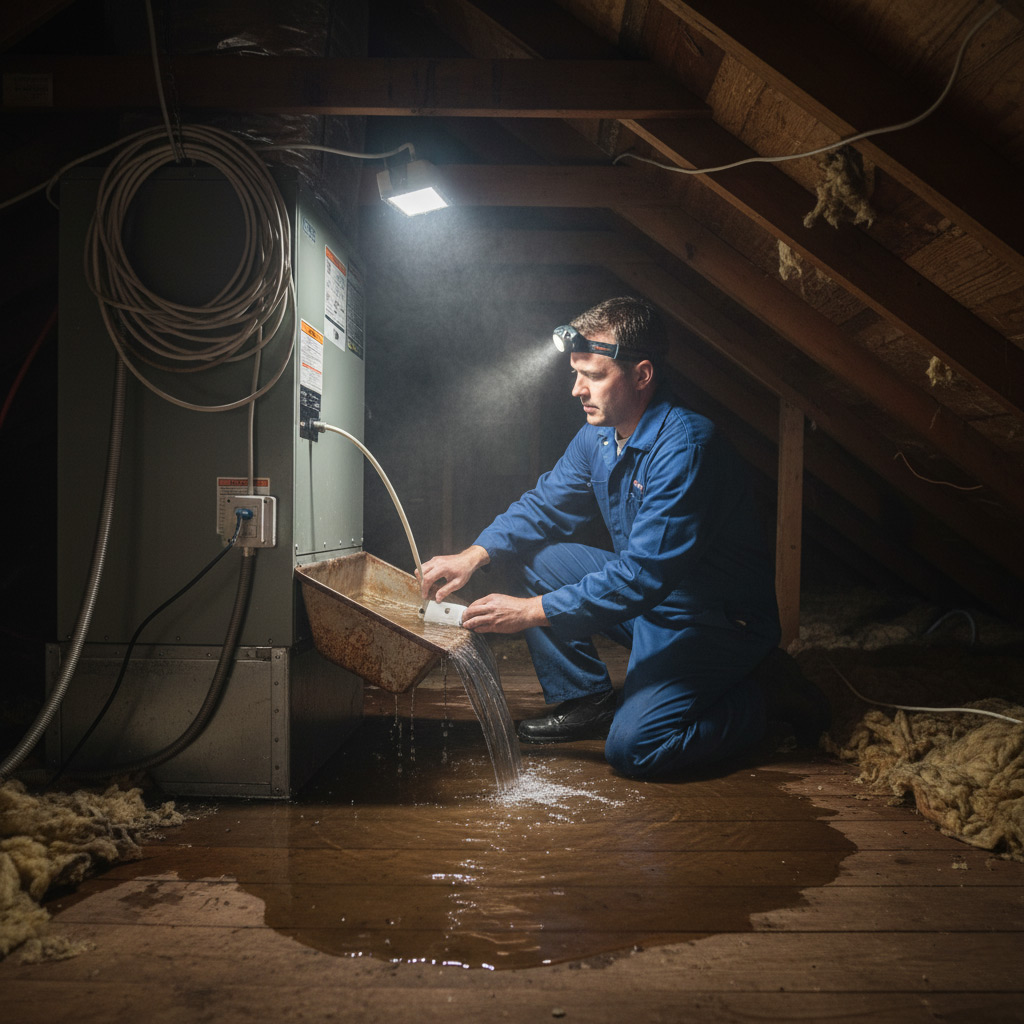
The Installation Process: Timeline, Coordination, and Quality Assurance
Step‑by‑Step Timeline
First week: site prep and equipment staging. Nothing moves until the crew clears the floor and marks the anchor points.
Second week: rough‑in of ductwork, refrigerant lines, and electrical conduit. All connections are labeled for the final hook‑up.
Third week: unit placement, hook‑up, and start‑up testing. The system runs idle for 48 hours before load testing.
Coordination & Communication
Our project manager syncs with your building owner, the electrical contractor, and the local utility.
Key checkpoints:
- Delivery confirmation – trucks arrive early to avoid traffic snarls.
- Safety brief – crew wears proper gear, site stays clean.
- Daily walk‑through – you get a quick status email each afternoon.
When a snag pops up, we call you, we call the supplier, we fix it. No waiting for “next week.”
Quality Assurance Checklist
Before we hand over the keys, we run a full performance audit.
- Airflow balance – each zone hits its design CFM target.
- Refrigerant charge – measured to ±2 % of spec.
- Control calibration – thermostats respond within 1 °F.
- Documentation – as‑built drawings, warranty paperwork, and a maintenance schedule.
Final sign‑off includes a walk‑through with you, the contractor, and the city inspector. If anything’s off, we correct it on the spot.
Case Study: Successful Commercial AC Installation for a Salt Lake City Warehouse
When a 45,000‑sq‑ft distribution center in the Sugar House district needed a cooling upgrade, they turned to us for a no‑nonsense solution. The old unit was choking the space, driving up utility bills and causing frequent breakdowns. Within weeks we mapped out a plan that kept the warehouse humming even when the desert sun hit 105°F.
The Challenge
Key pain points were clear:
- Inadequate capacity – the legacy system was 30% undersized.
- Uneven airflow – hot spots formed near loading docks.
- Compliance pressure – new city codes demanded higher SEER ratings.
Management feared downtime would cripple shipments. They needed a system that could be installed fast, without halting operations.
The Solution & Results
We delivered a high‑efficiency rooftop unit paired with a custom duct network. The installation was staged in three 48‑hour windows, keeping the warehouse fully functional.
- Cooling load met with a 25% safety margin.
- Zoned controls eliminated hot spots, improving worker comfort.
- Energy use dropped 18%, saving roughly $12,000 annually.
Post‑install inspections cleared all permits on the first try. The client reported a smoother workflow and a noticeable dip in maintenance calls. In short, the project hit every target on time and under budget.
Final Words
Now that you’ve got the roadmap, the real work begins: turning plans into cold air. Don’t wait for the next heat wave to discover a gap in your system—schedule a professional load assessment today and lock in the right equipment before the season shifts.
What to do next
- Contact a licensed HVAC contractor for a detailed cooling load report.
- Verify local permits and code requirements through the city’s building department.
- Review the proposed duct layout and zoning plan with your team to catch any blind spots.
- Set a realistic installation timeline and assign a point person for daily coordination.
When you’re ready to move forward, head over to our Commercial AC Installation page. There you’ll find the expertise, warranties, and service guarantees that keep Salt Lake City businesses running cool, no matter what the desert throws at them.
People Also Ask
What factors determine the cooling load for a commercial building in Salt Lake City?
The cooling load is calculated based on square footage, ceiling height, occupancy levels, equipment heat output, and local climate data. Accurate load calculations ensure the AC system is sized correctly for efficiency and comfort.Which commercial AC system works best for Salt Lake City’s hot, dry summers?
Variable refrigerant flow (VRF) and chilled water systems are popular choices because they provide precise temperature control and adapt well to fluctuating outdoor temperatures. Both options can be paired with energy‑saving controls for optimal performance.Do I need a permit to install a commercial AC unit in Salt Lake City?
Yes, the city requires permits for most commercial HVAC installations to verify compliance with building codes and energy efficiency standards. Your installer will handle the application process and inspections.How long does a typical commercial AC installation take from start to finish?
A standard installation usually spans 4–8 weeks, depending on system complexity, ductwork design, and permitting timelines. Coordination with contractors and clear scheduling help keep the project on track.What are the key benefits of proper ductwork design and zoning in a commercial AC system?
Well‑designed ductwork and zoning improve airflow balance, reduce energy waste, and enhance occupant comfort across different building zones. This approach also extends equipment lifespan by preventing over‑working of the system.
Salt Lake City HVAC brings over 15 years of residential and commercial climate‑control expertise to the Greater Salt Lake area. Their team of certified technicians delivers reliable heating, cooling, and indoor‑air‑quality solutions tailored to the region’s unique climate. Committed to responsive service and local knowledge, they keep homes and businesses comfortable year‑round.
Need HVAC?
We deliver rapid, results‑driven solutions for homes and businesses in Salt Lake City and surrounding areas. Service is completed on schedule, covering ZIPs 84101, 84102, 84103, 84104, 84105.
Request a fast quote