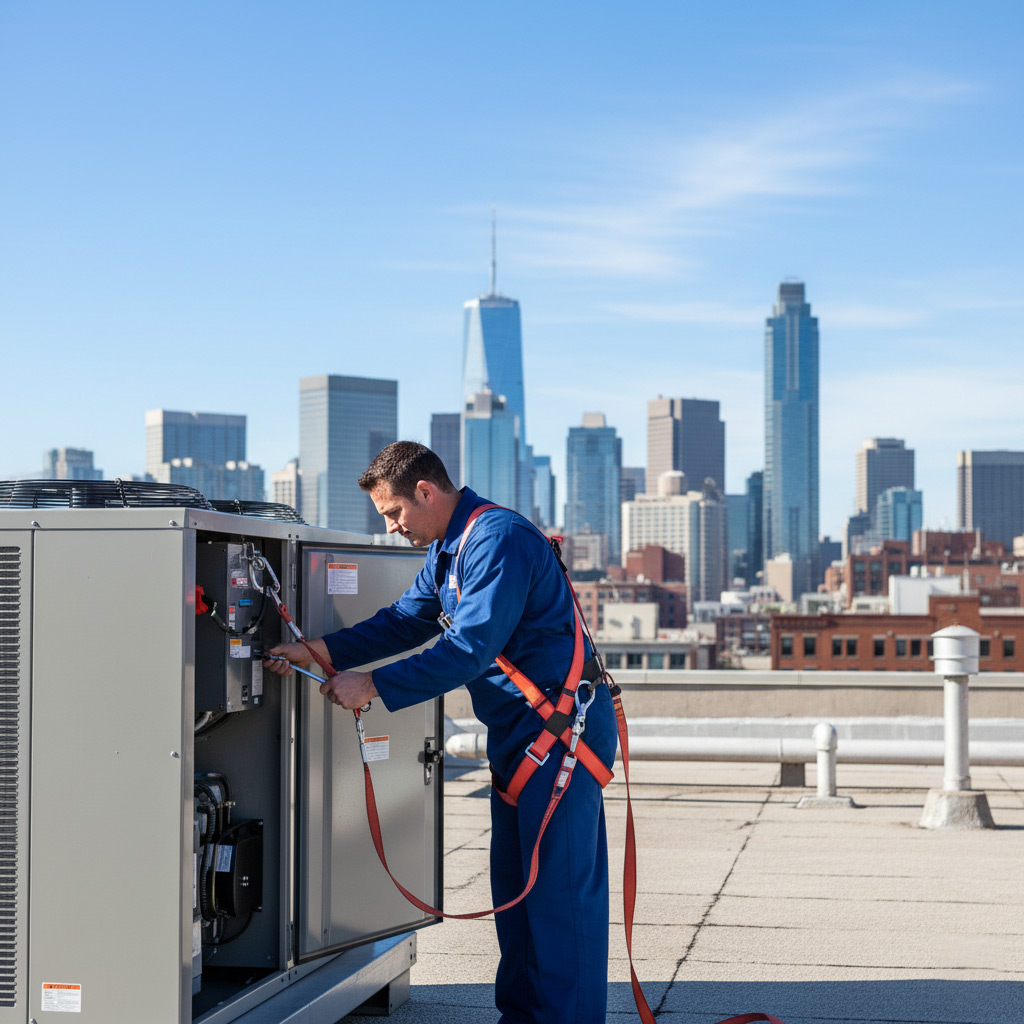
Picture this: the heat kicks in the moment the first snowflake hits the driveway, and the cool breeze rolls out just as the sun peaks over the Wasatch. Your HVAC system does the heavy lifting without you ever having to lift a finger.
In Salt Lake City, the climate swings like a pendulum, and a one‑size‑fits‑all approach just won’t cut it. That’s why savvy homeowners follow a playbook that matches their home’s quirks with the right equipment, timing, and financing.
What you’ll discover next is a step‑by‑step roadmap that turns a costly headache into a smooth upgrade, saving you time, money, and a lot of guesswork. Keep reading to see how the pros do it and how you can start planning today.
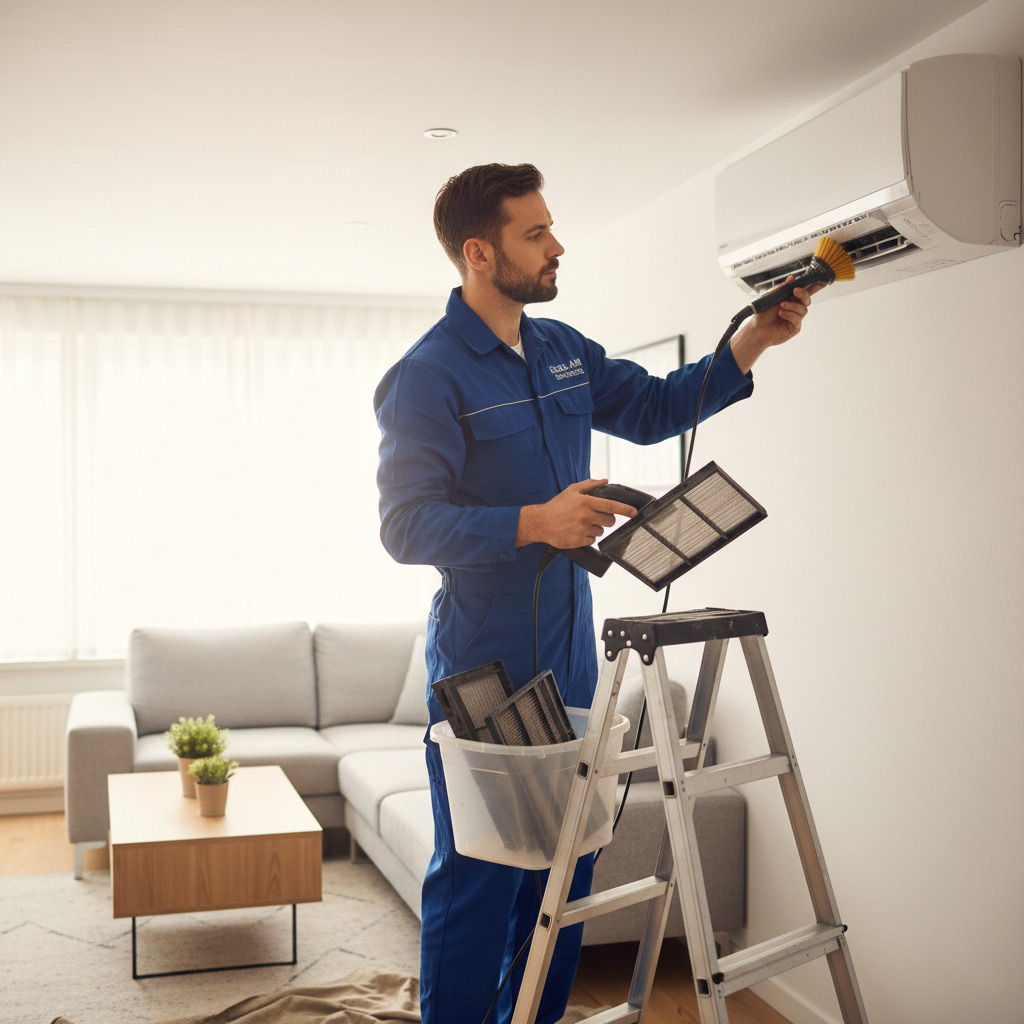
Assessing Your Home’s Unique Climate & Load Requirements
Know Your Weather Profile
Salt Lake City isn’t just “cold in winter, hot in summer.” The city sits in a high‑desert basin, so you’ll see sub‑zero nights, scorching afternoons, and rapid swings in between. Understanding those extremes is the first step to figuring out how much heating or cooling power your house truly needs.
What Drives Your Load?
Every home has its own set of quirks that add up to a heating‑and‑cooling demand. Below are the biggest contributors you should tally:
- Square footage – bigger spaces need more BTUs.
- Insulation quality – thin walls or missing attic batts = wasted energy.
- Window count & orientation – south‑facing glass drinks the sun, north‑facing stays cool.
- Ceiling height – high ceilings create extra volume to condition.
- Occupancy & appliances – people, kitchens, and electronics generate heat.
Get the Numbers Right
Don’t guess. A professional Manual J calculation will give you a precise load figure, but if you’re DIY‑inclined, start with an online load calculator and plug in the data above. Accurate sizing prevents short‑cycling, reduces wear, and keeps your utility bill from spiraling out of control.
Choosing the Right HVAC System: Types, Efficiency Ratings, and Proper Sizing
System Types
Salt Lake City homes can run on a classic split‑system, a modern heat pump, or a ductless mini‑split if you’re short on space. Each option has a sweet spot—furnaces excel when winters bite hard, while heat pumps shine when the temperature hovers around the 40‑70°F range.
- Split‑system: Separate indoor coil and outdoor compressor; great for whole‑house coverage.
- Heat pump: Provides both heating and cooling; ideal for milder winters.
- Ductless mini‑split: No ducts needed; perfect for additions or retrofits.
Understanding Efficiency Ratings
Don’t get lost in the acronyms—SEER, HSPF, AFUE are the three numbers that matter. Higher numbers mean lower utility bills, but the sweet spot depends on your climate and budget.
- SEER (Seasonal Energy Efficiency Ratio): measures cooling power; aim for 15+ in Utah.
- HSPF (Heating Seasonal Performance Factor): gauges heat pump heating; 9+ is solid.
- AFUE (Annual Fuel Utilization Efficiency): applies to furnaces; 90%+ keeps the furnace from guzzling gas.
Getting the Size Right
Oversized units waste energy, undersized units run forever. The secret is a proper Manual J load calculation—let a pro crunch the numbers based on square footage, ceiling height, windows, and your local micro‑climate.
- Calculate heating & cooling loads for each zone.
- Match the unit’s BTU output to the load—usually within ±10%.
- Ask the contractor for a written load report before signing.
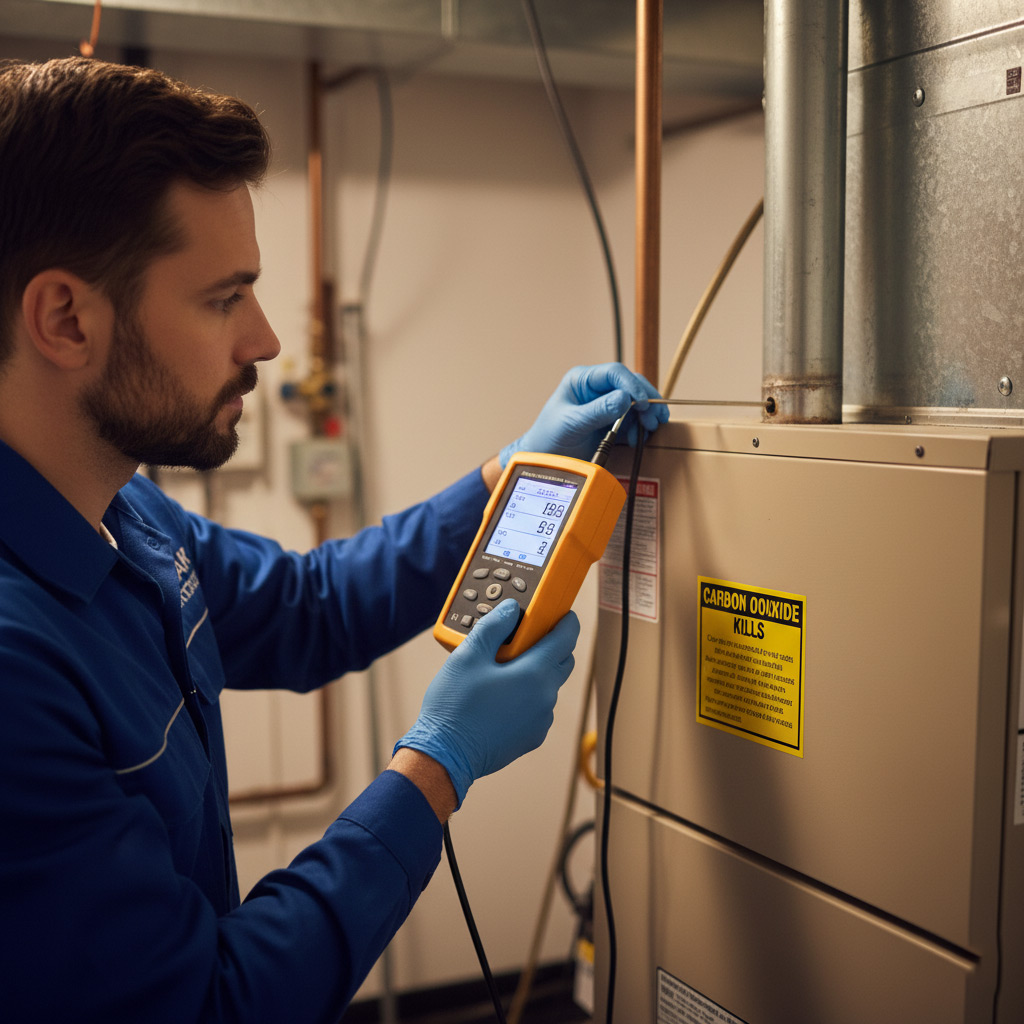
Timing the Replacement: Seasonal Considerations & Local Incentives in Salt Lake City
Salt Lake’s weather flips faster than a switchblade, so the sweet spot for a new HVAC is the shoulder months—late spring and early fall. Installers aren’t swamped, which means you’ll snag a better crew and a lower labor rate. Beat the summer rush and you avoid the premium price tags that come with scorching demand.
Local Incentives You Can Cash In On
Utah loves to reward energy‑savvy upgrades, and the city’s utility companies have a handful of programs that can shave hundreds off your bill.
- Utah State Energy Tax Credit: Up to 30% off qualifying units, claimable on your state return.
- Rocky Mountain Power’s “Save‑More” Rebate: $500‑$1,200 depending on SEER rating.
- Utility‑company “Winter Warm‑Up” grant: Free installation labor for qualifying low‑income households.
- Federal Tax Credit (2024): 30% of the equipment cost, no cap.
Check the deadlines—most of these offers reset every calendar year, and they disappear faster than a snowstorm in June. A quick call to your provider can lock the money in before you even pick a system.
Lock In the Best Price
When you schedule during the off‑season, contractors have room in their calendars and are eager to keep the work flowing. Negotiating power spikes because they’re not juggling emergency calls.
Also, cooler outdoor temps make the installation smoother; technicians can test the system without battling heat‑induced hiccups. Book your replacement now, and you’ll walk into winter with a brand‑new, fully‑tested unit—no surprises, just comfort.
Financing Options and Rebates: Making the Upgrade Affordable
Financing Paths
Most Salt Lake City homeowners start with a low‑interest loan from a local bank or credit union. It spreads the cost over 5‑10 years, keeping monthly payments under control.
If you own enough equity, a home equity line of credit can shave a few percent off the rate. For those who prefer zero‑interest, many utility companies now offer 12‑month promotional plans that are practically free.
- Bank or credit‑union loan – rates as low as 3.9% APR
- Home equity line – flexible draw, interest only on what you use
- Utility promotional financing – 0% for 12 months, then 5% APR
Rebate Opportunities
The federal government still honors a 30% tax credit for ENERGY STAR® qualified units installed before 2024. Pair that with Utah’s State Energy Program rebate, which can add up to $500 per ton.
Local utilities like Rocky Mountain Power and Dominion Energy run seasonal “upgrade” rebates that target heat‑pump installations. Check their websites for the latest deadlines – they change every quarter.
- Federal tax credit – 30% of equipment cost
- Utah State Energy rebate – up to $500/ton
- Utility cash‑back – $200‑$400 per system
- Manufacturer promos – free smart thermostat, extended warranty
How to Stack Savings
First, lock in a financing plan that lets you pay after the rebate hits your account. Then, submit the rebate paperwork within 30 days of installation – most programs won’t wait.
Finally, ask your installer to handle the paperwork. A reputable contractor will file the tax credit form (IRS Form 5695) and the state rebate claim for you, saving you time and headaches.
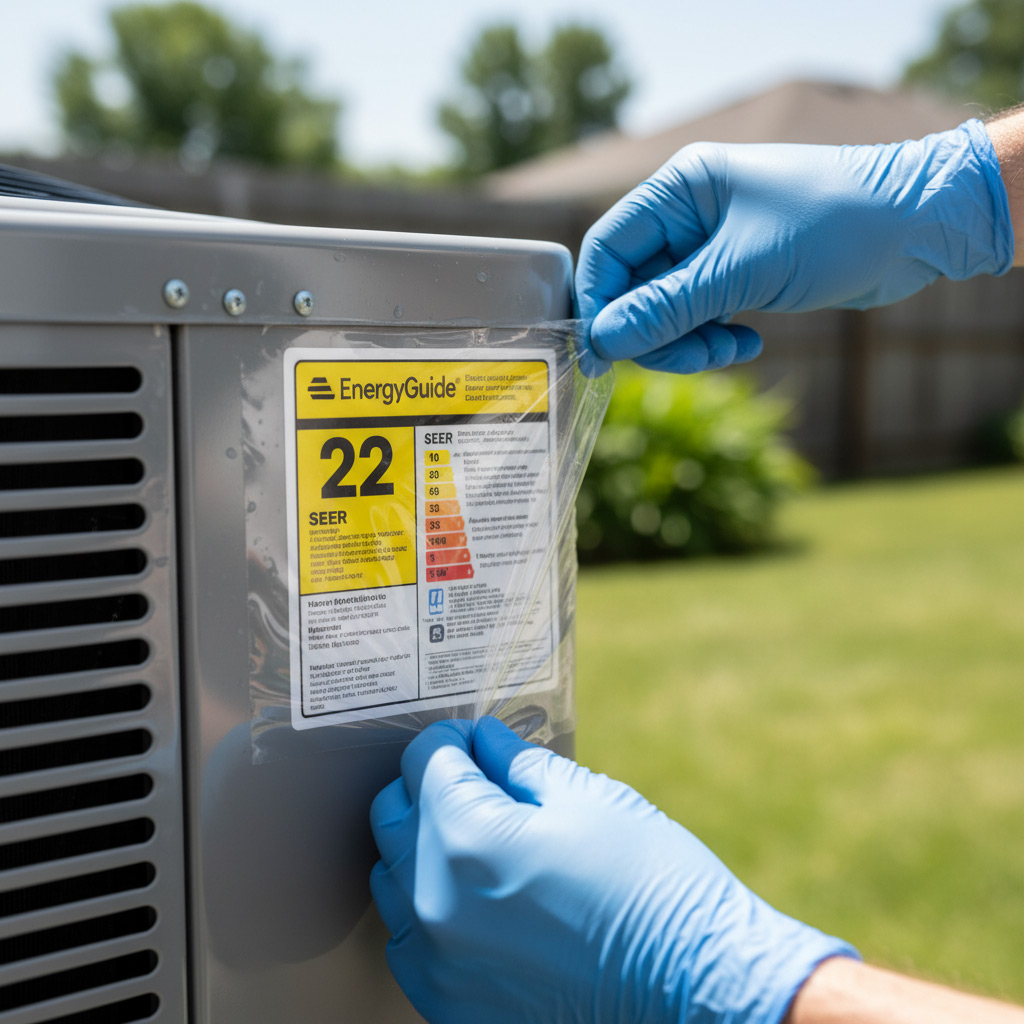
Selecting a Trusted Local Contractor: Key Questions and Red Flags
Ask the Right Questions
Before you sign anything, fire off the basics. A reputable installer will answer without hesitation.
- Are you licensed and insured in Utah? Proof matters.
- How many Salt Lake City homes have you serviced in the past year?
- What brand partnerships do you have, and why do you favor them?
- Can you walk me through the sizing calculation for my house?
Red Flags to Watch
Spot the warning signs early, and you’ll dodge a costly mess.
- Vague answers or “I’ll check and get back to you” on licensing.
- Pressure to sign a contract on the spot.
- Quotes that are dramatically lower than the neighborhood average – cheap often means cut‑corners.
- No written estimate or detailed scope of work.
Seal the Deal with Confidence
When the answers line up, ask for three references and call them. Real homeowners, real results. Get a written contract that spells out warranty terms, start date, and payment schedule. A solid paper trail is your safety net.
Case Study: A Salt Lake City Homeowner’s Seamless HVAC Replacement Journey
The Homeowner’s Situation
When Mark moved into his 2,300‑sq‑ft Craftsman on the east side, his old furnace sputtered every time the temperature dipped below 30°F. He was paying over $250 a month on energy bills and still felt a draft in the master bedroom. He needed a solution that would stop the cold spots and cut costs.
The Decision Process
Mark didn’t wing it. He followed a three‑step checklist that any savvy Salt Lake City resident can copy:
- Step 1: Get a Manual J load calculation from a certified contractor.
- Step 2: Compare SEER and AFUE ratings, aiming for at least 16 SEER and 90% AFUE.
- Step 3: Verify local rebates and financing offers before signing.
Within a week he had three quotes, each broken down by equipment, labor, and warranty. He chose the contractor who offered a transparent price and a 5‑year parts guarantee.
The Result
Installation wrapped up in just two days, right before the first snow of the season. Mark’s new variable‑speed system now keeps the house at a steady 72°F, and his monthly utility bill dropped to $180. He also earned a $500 rebate from the Utah Energy Office, making the upgrade feel like a win‑win.
- Consistent comfort in every room.
- Energy savings of roughly 28%.
- Peace of mind with a solid warranty and local support.
Final Words: Your Smart HVAC Replacement Playbook in Action
Put the Plan to Work
Now that you’ve mapped out climate needs, system type, timing, financing, and a vetted contractor, it’s time to flip the switch. Start by booking a detailed load calculation with your chosen installer—this is the only way to guarantee a perfect fit.
Next, lock in any local rebates before the season peaks; the Utah Energy Office often rolls out limited‑time offers that disappear faster than a summer thunderstorm.
Action Checklist
- Confirm the unit’s SEER rating meets your efficiency goals.
- Schedule the removal and installation during the shoulder months (late September or early May) to avoid rush fees.
- Secure financing or a rebate, then sign the contract with clear warranty terms.
- Ask the contractor for a post‑install walkthrough—know where the thermostat sits, how to change filters, and what maintenance looks like.
Stay Ahead of the Curve
Even after the new system hums to life, keep an eye on performance. A quick monthly filter check and a yearly service call will keep efficiency high and extend lifespan.
When you’re ready for the next upgrade, revisit our HVAC Replacement guide. It’s a living playbook—update it with new tech, incentives, and lessons learned, and you’ll always be a step ahead of the Utah weather rollercoaster.
People Also Ask
What factors determine the correct HVAC size for a Salt Lake City home?
A proper load calculation considers square footage, ceiling height, insulation levels, window orientation, and local climate extremes. Using Manual J software ensures the system is neither oversized nor undersized, maximizing comfort and efficiency.When is the best time of year to replace an HVAC system in Salt Lake City?
Fall and early winter are ideal because temperatures are moderate, allowing technicians to test the system thoroughly before the heating season peaks. Additionally, many local utilities offer seasonal rebates during this period.Are there specific rebates or incentives for HVAC upgrades in Salt Lake City?
Yes, Utah’s Energy Conservation Office and local utility companies provide rebates for high‑efficiency units, often covering up to 30% of the equipment cost. Homeowners should also check federal tax credits for qualifying ENERGY STAR models.What financing options are available for HVAC replacement in Salt Lake City?
Many contractors partner with lenders to offer 0% APR for 12‑24 months or low‑interest loans spread over 5‑10 years. Some programs also combine financing with rebate credits to reduce the upfront expense.How can I verify that an HVAC contractor in Salt Lake City is trustworthy?
Look for proper licensing, insurance, and certifications such as NATE or ACCA. Ask for references, review online ratings, and confirm the contractor provides a detailed written estimate and warranty.
Salt Lake City HVAC brings over 15 years of residential and commercial climate‑control expertise to the Greater Salt Lake area. Their certified technicians specialize in energy‑efficient heating, cooling, and indoor‑air‑quality solutions tailored to local climate demands. Committed to reliable service, they prioritize prompt response and transparent communication for every project.
Need HVAC?
We deliver rapid, results‑driven solutions for homes and businesses in Salt Lake City and surrounding areas. Service is completed on schedule, covering ZIPs 84101, 84102, 84103, 84104, 84105.
Request a fast quote