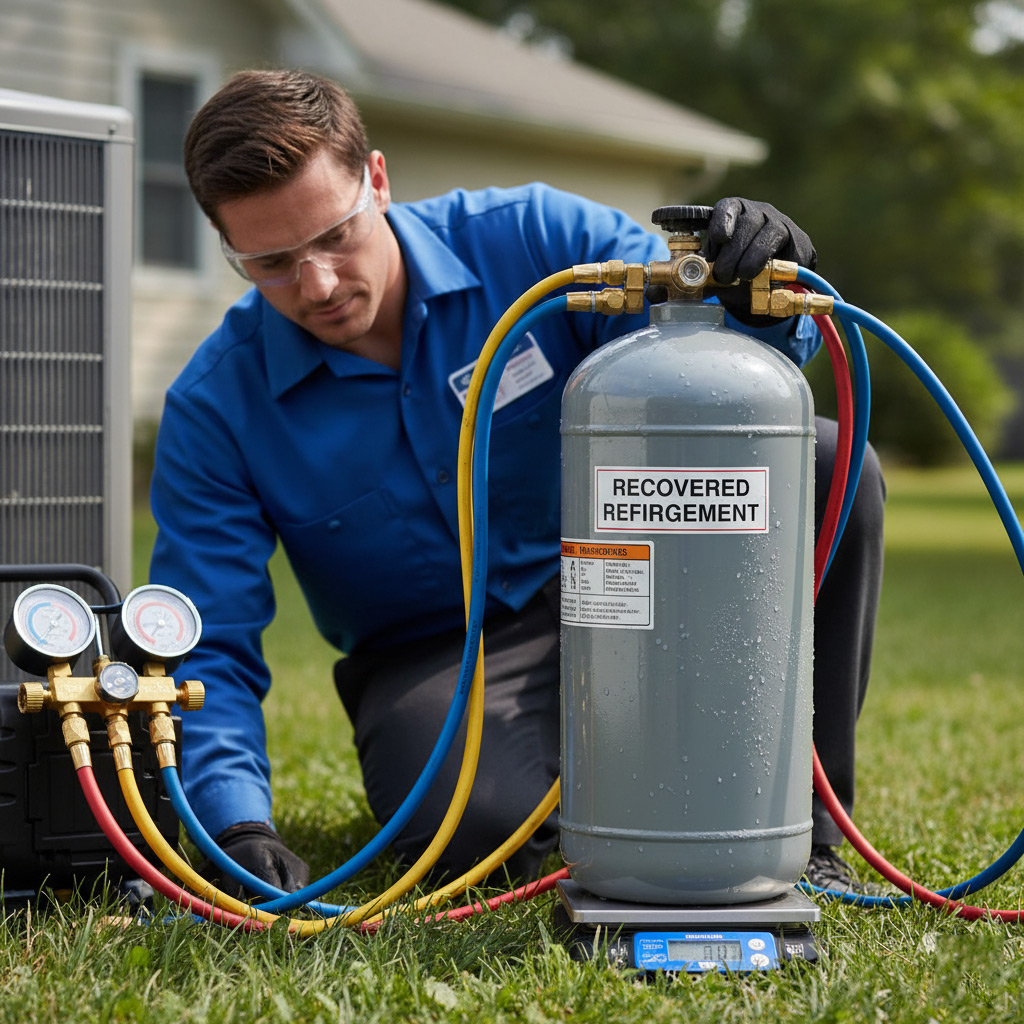
Imagine your furnace coughing out cold air on a night when the Wasatch peaks at 20°F. That’s the moment you realize a tiny glitch can turn your home into an ice box.
In Salt Lake City, the swing from scorching summer to bone‑chilling winter is brutal, and your HVAC system doesn’t get a break. A strange noise, uneven heating, or a sudden spike in your electric bill are the early alarms that say, “I need help now.”
Knowing the exact signs and the sweet spot to schedule troubleshooting can save you dollars and keep the family comfortable. If you’re ready to lock in the right timing and avoid a costly emergency, keep reading.
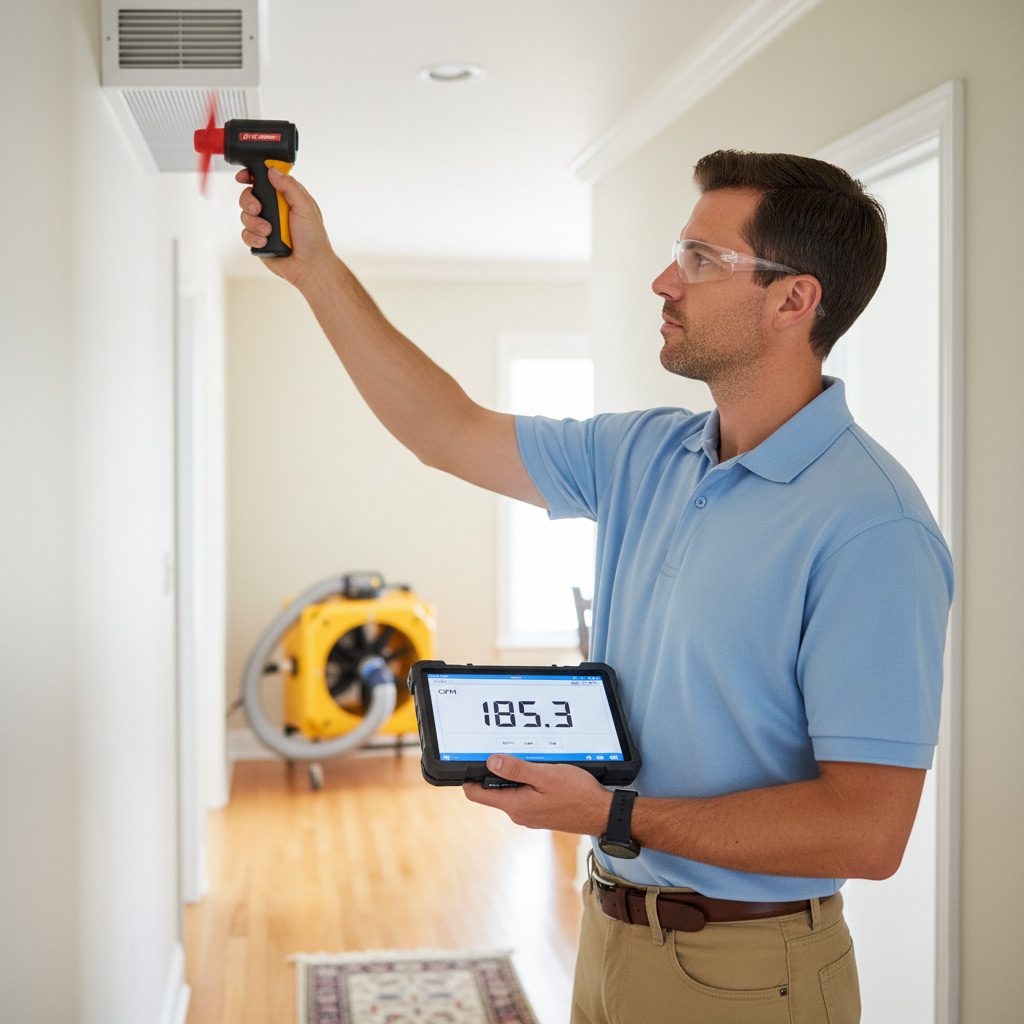
Recognizing Early Warning Signs of HVAC Trouble in Salt Lake City
When your furnace starts rattling like a loose truck bed, or the air conditioner hums but never cools, your system is waving a red flag. Uneven temperatures between rooms, a sudden jump in your electric bill, or a faint smell of burning are all clues that something’s off. Ignoring them can turn a simple fix into a full‑blown outage when the Wasatch drops below zero.
What Your Ears Might Be Telling You
- Click‑click‑click on startup – could mean a failing relay.
- High‑pitched squeal – often a loose belt or motor bearing.
- Rumbling or thumping – usually a dirty blower wheel or unbalanced fan.
What Your Eyes Should Spot
- Dusty or corroded coils – they choke efficiency.
- Leaking water around the unit – a sign of a clogged condensate line.
- Cracked or frayed wiring – a fire hazard waiting to happen.
Seasonal Timing: Preventive Checks vs. Emergency Repairs
Spring is the perfect window to give your system a once‑over before the heat cranks up. A quick inspection now can catch a clogged coil or a loose belt before they turn into a $1,200 repair in July.
Why a pre‑season tune‑up beats a midnight call
When you schedule a preventive check, the tech arrives with a checklist, not a panic button. They’ll:
- Test thermostat calibration (so you’re not guessing the temperature)
- Clean the blower and evaporator to restore airflow
- Inspect refrigerant levels and look for leaks
These steps take under an hour, but they shave weeks off a potential breakdown. Waiting until the system quits means you’re paying premium labor rates and possibly a rushed part order.
Winter warning signs that demand immediate action
If you notice uneven heating, strange noises, or a sudden spike in your utility bill during the cold months, call a pro right away. The furnace is under constant stress; a minor sensor failure can snowball into a full‑blown outage on a 20°F night.
Emergency repairs are unavoidable sometimes, but they’re far more expensive because you’re paying for the urgency. A scheduled service in early fall can catch a cracked heat exchanger before it becomes a safety hazard.

How Weather Extremes Affect System Performance and When to Act
Winter Freeze Threats
When the temperature drops below 30°F, metal contracts and lubricants thicken. Your furnace’s heat exchanger can crack, and the blower motor may stall. Don’t wait until you hear a grinding noise—schedule a check before the first hard freeze.
Summer Heat Stress
Scorching days over 95°F force the air conditioner to run nonstop. The condenser coils can get clogged with dust, and the refrigerant pressure spikes. If you notice the indoor thermostat lagging by more than 5 °F, call a tech within 48 hours.
Rapid‑Response Checklist
- Unusual noises – rattles, squeals, or clicks.
- Inconsistent temperatures between rooms.
- Sudden jump in utility bills.
- Visible frost on the outdoor unit.
Spot any of these during a heat wave or cold snap? That’s your cue to act now, not later. A quick diagnostic can save you from a full‑blown system failure when the weather is at its worst.
The Financial Upside of Timely Troubleshooting: ROI and Energy Savings
Every degree your furnace works harder than it should is money slipping through the cracks. Catch a problem early and you’ll often avoid a full‑blown replacement, which can run $5,000‑$7,000 in Salt Lake City. Think of it as a low‑cost insurance policy that pays itself back the moment you see a lower utility bill.
What the numbers look like
When you schedule a diagnostic before the peak season, you typically see:
- 5‑15% reduction in monthly energy costs.
- Up to 30% longer lifespan for major components.
- Fewer emergency calls, saving an average of $250‑$400 per incident.
Those savings stack up fast. A family that trims $100 a month on electricity recoups a $1,200 investment in a single year. That’s a clear ROI, no fluff, just cold hard cash staying in your pocket.
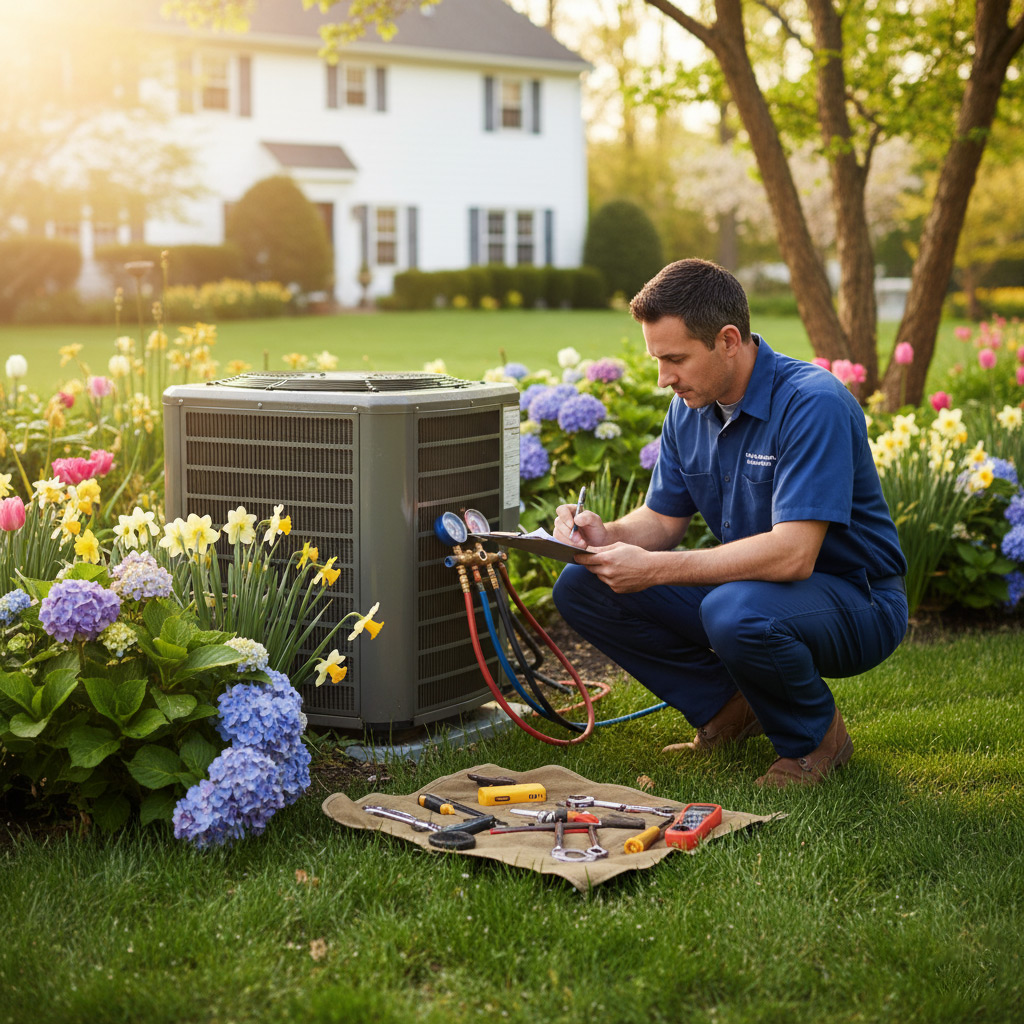
Selecting a Reliable HVAC Service Provider in Salt Lake City
When the furnace sputters or the AC refuses to chill, you need a tech who shows up on time, knows the local climate, and can diagnose the problem before it snowballs. Don’t settle for the first name you find on Google – a solid provider will have a track record you can verify, not just a glossy website.
What to Look For
- Licensing & certifications – Verify Utah HVAC contractor license and manufacturer certifications (e.g., Carrier, Trane).
- Local experience – Companies that have serviced Salt Lake City homes for 5+ years understand the Wasatch‑mountain weather quirks.
- Transparent pricing – A written estimate before work begins, with clear labor and parts breakdown.
- Emergency availability – 24/7 service lines for those 20°F nights when you can’t wait.
- Customer reviews – Look for consistent five‑star feedback on Google, Yelp, and the Better Business Bureau.
Ask for references and watch how quickly they respond to your call. Fast, courteous communication usually means they respect your time and your money. A reputable shop will also stand behind their work with a written warranty, so you’re not left holding the bag if something goes sideways.
Case Study: Rapid Resolution of a Furnace Failure During a 20°F Night
The Call That Came at Midnight
At 11:47 p.m., a Salt Lake City family woke to a furnace that sputtered and died, leaving the living room at the same temperature as the driveway. They called us knowing we were the only crew that could get there before the night got any colder.
Within ten minutes, our technician was at the door, toolbox in hand, ready to hunt down the culprit. The goal was simple: restore heat before the thermostat hit the dreaded “freeze” setting.
What Went Wrong and How We Fixed It
Quick diagnostics revealed a cracked heat‑exchanger sensor—a tiny part that tells the furnace when to fire up. The sensor had corroded from years of moisture exposure.
- Replace the sensor (15 minutes)
- Clean the blower and check for airflow blockages (5 minutes)
- Run a full system test to verify safe operation (10 minutes)
All together, the job took under 30 minutes. The family felt the warm air rush back in seconds after the new sensor clicked into place.
Why Speed Matters in a 20°F Night
When the temperature outside hovers around 20°F, every minute without heat costs you comfort and can damage pipes. A prompt fix prevents:
- Frozen water lines
- Higher energy bills from short‑cycling
- Unnecessary stress on the whole HVAC system
Our rapid response turned a potential disaster into a simple, painless repair. The homeowner now schedules quarterly check‑ups, knowing that a quick call can keep the house cozy all winter long.
Final Words
When the Utah weather flips, you don’t have time to guess what’s wrong with your system. Act fast, act smart, and let a seasoned tech take the mystery out of your HVAC.
What to Do Next
- Schedule a HVAC Troubleshooting visit before the first frost hits.
- Keep a simple log of noises, temperature swings, and bill spikes – it’s gold for the technician.
- Ask for a written service plan that outlines preventive steps and cost‑saving tips.
Remember, a well‑tuned system isn’t a luxury; it’s a shield against the brutal Salt Lake swings. Invest in a check‑up now, and you’ll thank yourself when the thermostat stays steady.
People Also Ask
How often should I schedule HVAC troubleshooting in Salt Lake City?
A thorough inspection is recommended twice a year—once in the spring and once in the fall—to catch wear before extreme temperatures hit. For older systems, an additional mid‑season check can prevent unexpected breakdowns.What are the early signs that my HVAC needs troubleshooting?
Look for reduced airflow, unusual noises, inconsistent temperatures, and a spike in energy bills. These symptoms often indicate clogged filters, refrigerant leaks, or failing components that need prompt attention.Can I wait until winter to fix a furnace problem?
Waiting can lead to a complete failure during a cold snap, leaving you without heat and facing higher repair costs. Addressing furnace issues early in the fall ensures reliable performance throughout the winter.Do weather extremes affect when I should call an HVAC technician?
Yes—extreme cold or heat puts extra strain on your system, accelerating wear and exposing hidden faults. Schedule a check before the temperature swings to avoid emergency repairs.What financial benefits come from timely HVAC troubleshooting?
Proactive maintenance improves efficiency, lowering monthly energy bills and extending equipment lifespan. It also reduces the likelihood of costly emergency service calls and premature replacements.
Salt Lake City HVAC brings over 15 years of residential and commercial climate‑control expertise to the Greater Salt Lake area. Their team of certified technicians tailors solutions to the unique demands of Utah’s climate, ensuring comfort and efficiency for homes and businesses alike. Committed to local service, they respond quickly and maintain lasting relationships throughout the community.
Need HVAC?
We deliver rapid, results‑driven solutions for homes and businesses in Salt Lake City and surrounding areas. Service is completed on schedule, covering ZIPs 84101, 84102, 84103, 84104, 84105.
Request a fast quote